Buy powerladies.eu ?
We are moving the project
powerladies.eu .
Are you interested in purchasing the domain
powerladies.eu ?
domain@kv-gmbh.de · 0541-91531010
Buy powerladies.eu ?
What followed after the War of Independence?
After the War of Independence, the United States faced the challenge of establishing a new government and creating a system of laws. This led to the drafting of the Constitution and the formation of a federal government. The country also had to address issues such as paying off war debts, establishing trade relationships, and dealing with conflicts with Native American tribes. Additionally, the new nation had to navigate its relationships with European powers and define its role on the world stage. **
What was the American War of Independence?
The American War of Independence, also known as the American Revolutionary War, was a conflict between Great Britain and its 13 North American colonies, which sought to break away and form an independent nation. The war lasted from 1775 to 1783 and was sparked by growing tensions over issues such as taxation without representation and British attempts to assert control over the colonies. The war ultimately resulted in the colonies gaining their independence and forming the United States of America. **
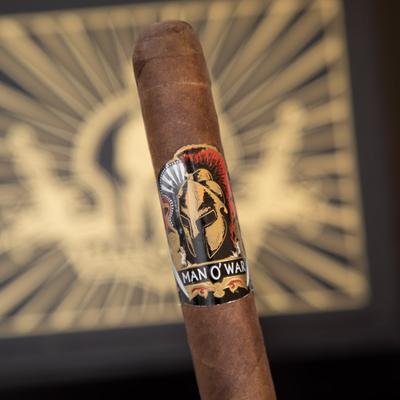

Similar search terms for War
Top-Angebote
Products related to War:
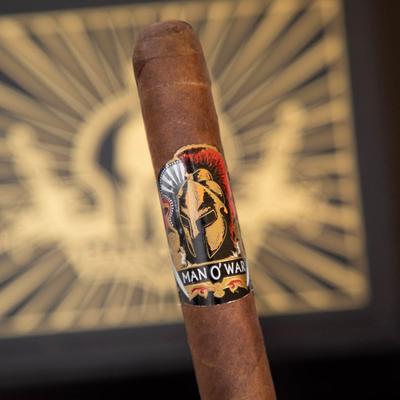
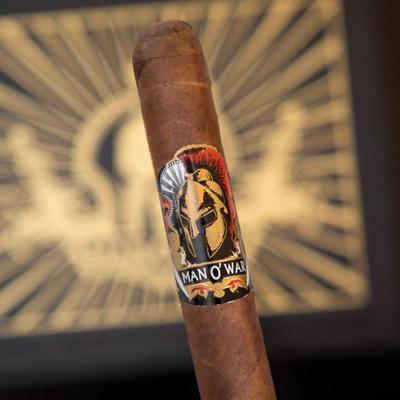
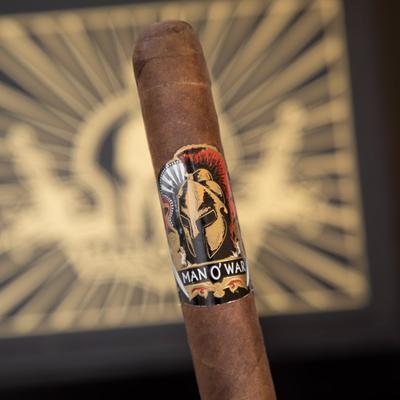
-
Which books cover the American War of Independence?
Some books that cover the American War of Independence include "1776" by David McCullough, "The Glorious Cause: The American Revolution, 1763-1789" by Robert Middlekauff, and "Washington's Crossing" by David Hackett Fischer. These books provide detailed accounts of the events leading up to and during the American War of Independence, as well as the key figures and battles that shaped the outcome of the war. They offer insights into the political, social, and military aspects of the conflict, making them valuable resources for understanding this pivotal period in American history. **
-
Is the War of Independence a constitutional revolution?
The War of Independence can be considered a constitutional revolution in the sense that it resulted in the creation of a new system of government and a new constitution for the United States. The Declaration of Independence and the subsequent formation of the Articles of Confederation and later the Constitution marked a significant shift in the political and legal structure of the country. The revolution sought to establish a government based on principles of democracy, individual rights, and limited government power, which can be seen as a constitutional transformation. Therefore, the War of Independence can be viewed as a constitutional revolution in the context of the establishment of a new system of government and the principles it was founded upon. **
-
What similarities do the American War of Independence and...?
The American War of Independence and the French Revolution both sought to overthrow oppressive monarchies and establish democratic governments. Both movements were fueled by a desire for freedom, equality, and representation in government. Additionally, both conflicts were influenced by Enlightenment ideals and the belief in natural rights. The outcomes of both events also had a significant impact on the global political landscape, inspiring other movements for independence and democratic reform. **
-
Which book is about the Irish War of Independence?
One book about the Irish War of Independence is "Michael Collins: The Man Who Made Ireland" by Tim Pat Coogan. This biography delves into the life of Michael Collins, a key figure in the Irish struggle for independence. The book provides a detailed account of the events leading up to the war, the war itself, and its aftermath, offering a comprehensive understanding of this pivotal period in Irish history. **

What is the motivation to go to war?
The motivation to go to war can vary greatly depending on the specific circumstances and the parties involved. Some common motivations for going to war include protecting or expanding territory, defending against perceived threats, asserting dominance or influence, securing access to resources, and addressing grievances or seeking revenge. Additionally, political, ideological, and religious factors can also play a significant role in motivating parties to engage in armed conflict. Ultimately, the motivations for going to war are complex and multifaceted, often involving a combination of strategic, economic, and ideological considerations. **
In which country did America fight in the War of Independence?
America fought in the War of Independence against Great Britain. The war took place in the American colonies, which were under British rule at the time. The conflict lasted from 1775 to 1783 and ultimately resulted in the United States gaining independence from Britain. **
Top-Angebote
Products related to War:
-
What followed after the War of Independence?
After the War of Independence, the United States faced the challenge of establishing a new government and creating a system of laws. This led to the drafting of the Constitution and the formation of a federal government. The country also had to address issues such as paying off war debts, establishing trade relationships, and dealing with conflicts with Native American tribes. Additionally, the new nation had to navigate its relationships with European powers and define its role on the world stage. **
-
What was the American War of Independence?
The American War of Independence, also known as the American Revolutionary War, was a conflict between Great Britain and its 13 North American colonies, which sought to break away and form an independent nation. The war lasted from 1775 to 1783 and was sparked by growing tensions over issues such as taxation without representation and British attempts to assert control over the colonies. The war ultimately resulted in the colonies gaining their independence and forming the United States of America. **
-
Which books cover the American War of Independence?
Some books that cover the American War of Independence include "1776" by David McCullough, "The Glorious Cause: The American Revolution, 1763-1789" by Robert Middlekauff, and "Washington's Crossing" by David Hackett Fischer. These books provide detailed accounts of the events leading up to and during the American War of Independence, as well as the key figures and battles that shaped the outcome of the war. They offer insights into the political, social, and military aspects of the conflict, making them valuable resources for understanding this pivotal period in American history. **
-
Is the War of Independence a constitutional revolution?
The War of Independence can be considered a constitutional revolution in the sense that it resulted in the creation of a new system of government and a new constitution for the United States. The Declaration of Independence and the subsequent formation of the Articles of Confederation and later the Constitution marked a significant shift in the political and legal structure of the country. The revolution sought to establish a government based on principles of democracy, individual rights, and limited government power, which can be seen as a constitutional transformation. Therefore, the War of Independence can be viewed as a constitutional revolution in the context of the establishment of a new system of government and the principles it was founded upon. **
Similar search terms for War
-
What similarities do the American War of Independence and...?
The American War of Independence and the French Revolution both sought to overthrow oppressive monarchies and establish democratic governments. Both movements were fueled by a desire for freedom, equality, and representation in government. Additionally, both conflicts were influenced by Enlightenment ideals and the belief in natural rights. The outcomes of both events also had a significant impact on the global political landscape, inspiring other movements for independence and democratic reform. **
-
Which book is about the Irish War of Independence?
One book about the Irish War of Independence is "Michael Collins: The Man Who Made Ireland" by Tim Pat Coogan. This biography delves into the life of Michael Collins, a key figure in the Irish struggle for independence. The book provides a detailed account of the events leading up to the war, the war itself, and its aftermath, offering a comprehensive understanding of this pivotal period in Irish history. **
-
What is the motivation to go to war?
The motivation to go to war can vary greatly depending on the specific circumstances and the parties involved. Some common motivations for going to war include protecting or expanding territory, defending against perceived threats, asserting dominance or influence, securing access to resources, and addressing grievances or seeking revenge. Additionally, political, ideological, and religious factors can also play a significant role in motivating parties to engage in armed conflict. Ultimately, the motivations for going to war are complex and multifaceted, often involving a combination of strategic, economic, and ideological considerations. **
-
In which country did America fight in the War of Independence?
America fought in the War of Independence against Great Britain. The war took place in the American colonies, which were under British rule at the time. The conflict lasted from 1775 to 1783 and ultimately resulted in the United States gaining independence from Britain. **
* All prices are inclusive of VAT and, if applicable, plus shipping costs. The offer information is based on the details provided by the respective shop and is updated through automated processes. Real-time updates do not occur, so deviations can occur in individual cases. ** Note: Parts of this content were created by AI.