Buy powerladies.eu ?
We are moving the project
powerladies.eu .
Are you interested in purchasing the domain
powerladies.eu ?
domain@kv-gmbh.de · 0541-91531010
Buy powerladies.eu ?
Are punctuation marks and emojis analogous?
Punctuation marks and emojis serve different purposes in written communication. Punctuation marks are used to clarify the structure and meaning of a sentence, while emojis are used to convey emotions, tone, and nonverbal cues. While both can enhance written communication, they are not entirely analogous as they serve different functions. Emojis are more akin to nonverbal cues in face-to-face communication, while punctuation marks are more about organizing and clarifying written text. **
Are Maybugs analogous or homologous animals?
Maybugs, also known as cockchafers, are not analogous or homologous to any other animals. They are a unique species of beetle belonging to the family Scarabaeidae. Analogous structures are similar in function but not in structure or evolutionary origin, while homologous structures are similar in structure and evolutionary origin but not necessarily in function. Maybugs do not share these similarities with any other animals, making them a distinct and separate species. **


Similar search terms for Analogous
Top-Angebote
Products related to Analogous:
-
Adjustable Weighted Vest 40lb For Strength Training, Running & Endurance Workouts Adjustable Weighted Vest 40lb For Strength Training, Running & Endurance WorkoutsPush past fitness plateaus and turn every workout into a stronger, more effective training session with this weighted vest designed for performance and comfort. Built for runners, athletes, walkers, and fitness enthusiasts, this versatile adjustable...129,97 $*Shipping: 0,00 $Secure redirect to the provider
-
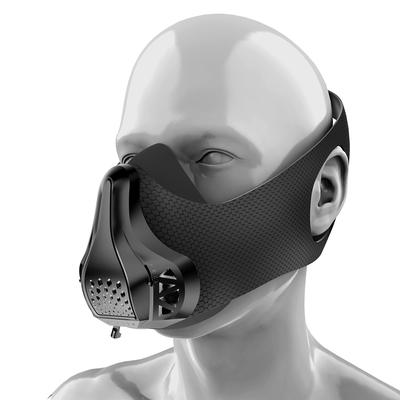
Altitude Boost Training Mask For Running, Cardio & Endurance Fitness Altitude Boost Training Mask For Running, Cardio & Endurance FitnessBuilt to push limits, this _training mask_ transforms everyday workouts into highintensity performance sessions. Designed for runners, cyclists, gym athletes, and endurance trainers, it uses adjustable airflow resistance to help strengthen breathing...44,97 $*Shipping: 0,00 $Secure redirect to the provider
-
Adjustable Resistance Breathing Trainer For Lung Strength And Endurance blackThis adjustable resistance breathing trainer is a handheld lung training device designed to help strengthen respiratory muscles, support better breath control, and improve endurance through simple daily breathing practice. It solves a common problem...28,97 $*Shipping: 0,00 $Secure redirect to the provider
-
Portable Lung Capacity Breathing Trainer For Endurance & Respiratory Strength whiteFeel the difference every breath makes. This compact breathing trainer is designed to help you strengthen your lungs, improve endurance, and build better breathing habitswhether you're an athlete, singer, or simply focused on your health....45,97 $*Shipping: 0,00 $Secure redirect to the provider



-
Are bat wings homologous or analogous?
Bat wings are homologous structures, meaning they share a common evolutionary origin with the wings of other mammals, such as humans and whales. This suggests that bats, humans, and whales all inherited their limb structure from a common ancestor. In contrast, analogous structures are those that have similar functions but different evolutionary origins, such as the wings of birds and insects. **
-
Are mole and mole cricket analogous or homologous?
Mole and mole cricket are analogous structures because they have similar functions (burrowing underground) but do not share a common evolutionary origin. Mole is a mammal, while mole cricket is an insect, so they are not homologous structures. Analogous structures evolve independently in different species to serve the same purpose, while homologous structures are inherited from a common ancestor. **
-
What are homologous and analogous structures in plants?
Homologous structures in plants are features that have a similar underlying structure and origin, but may have different functions. For example, the wings of a bird and the arms of a human are homologous structures because they both have a similar bone structure, even though they serve different purposes. In plants, homologous structures can include similar leaf or flower structures that have evolved from a common ancestor. Analogous structures in plants, on the other hand, are features that have a similar function but different underlying structures and origins. For example, the wings of a bird and the wings of a butterfly are analogous structures because they both serve the function of flight, but have different anatomical origins. In plants, analogous structures can include similar leaf shapes or reproductive structures that have evolved independently in different plant lineages to serve similar functions. **
-
What is the difference between equivalent and analogous?
The main difference between equivalent and analogous is that equivalent refers to things that are equal in value, function, or meaning, while analogous refers to things that are similar in some way but not necessarily equal in value or function. For example, two equivalent fractions have the same value, while two analogous situations may share similarities but have different outcomes. In summary, equivalent implies equality, while analogous implies similarity. **

Are spines and thorns in biology homologous or analogous?
Spines and thorns in biology are considered analogous structures. This means that they have similar functions (protection) but do not share a common evolutionary origin. Spines can be found in a variety of organisms, such as cacti and porcupines, while thorns are typically found in plants like roses and blackberries. Despite their similar functions, spines and thorns evolved independently in different lineages to serve the purpose of defense. **
What is the definition of homologous and analogous organs?
Homologous organs are structures that have a similar origin in different species, suggesting a common evolutionary ancestor. These organs may have different functions in different species but share a common underlying structure. On the other hand, analogous organs are structures that have a similar function in different species but do not share a common evolutionary origin. Analogous organs have evolved independently in different species to serve the same purpose. **
Top-Angebote
Products related to Analogous:
-
Goldwell Dual Senses Bond Pro Strength & ResilienceRevitalize weak, fragile, and breakage-prone strands with the ultimate solution in hair health: the Goldwell Dualsenses Bond Pro Strength & Resilience Bundle. This complete, salon-grade three-step system is expertly formulated to reinforce the hair fibre, dramatically improve elasticity, and instantly deliver stronger, more resilient hair from the very first wash. Say goodbye to brittleness and hello to a visibly healthier, more manageable mane. This is the essential strengthening hair bundle for anyone battling damage from heat styling, colour treatments, or chemical processes. Unlock the secret to lasting hair resilience with the power of Inter-Amino-Bond-Builder and the innovative MicroPROtec Complex. This professional technology penetrates deep into the hair cortex, targeting and fortifying weakened internal bonds to help prevent future hair breakage and split ends. The advanced formula ensures your colour is protected from fading while maintaining lightweight manageability—no heavy residue, even on severely damaged hair. The routine consists of a gentle, strengthening shampoo, a fortifying conditioner, and a fast-acting, highly concentrated 60-second treatment mask to provide immediate care and structure. Invest in the Goldwell Dualsenses Bond Pro range today and experience the professional difference. You'll love the instant improvement in smoothness, the enhanced softness, and the long-term resilience of your hair. This bundle is specifically perfect for those seeking a highly effective treatment to reduce breakage and boost the overall health of their fragile hair. Contains: Dualsenses Bond Pro Shampoo 250ml Dualsenses Bond Pro Conditioner 200ml Dualsenses Bond Pro 60sec Treatment Mask 200ml49,40 £*Shipping: 0,00 £Secure redirect to the provider
-
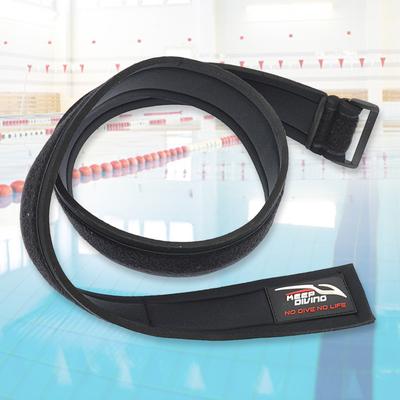
Swimming Training Belt For Pool Endurance & Strength Training Swimming Training Belt For Pool Endurance & Strength TrainingTransform your swim training into a powerful fullbody workout that builds strength, stamina, and technique with every session. The Swim Resistance Belt is designed to anchor you securely in the pool, allowing you to train continuously without...37,97 $*Shipping: 0,00 $Secure redirect to the provider
-
Adjustable Weighted Vest 40lb For Strength Training, Running & Endurance Workouts Adjustable Weighted Vest 40lb For Strength Training, Running & Endurance WorkoutsPush past fitness plateaus and turn every workout into a stronger, more effective training session with this weighted vest designed for performance and comfort. Built for runners, athletes, walkers, and fitness enthusiasts, this versatile adjustable...129,97 $*Shipping: 0,00 $Secure redirect to the provider
-
Altitude Boost Training Mask For Running, Cardio & Endurance Fitness Altitude Boost Training Mask For Running, Cardio & Endurance FitnessBuilt to push limits, this _training mask_ transforms everyday workouts into highintensity performance sessions. Designed for runners, cyclists, gym athletes, and endurance trainers, it uses adjustable airflow resistance to help strengthen breathing...44,97 $*Shipping: 0,00 $Secure redirect to the provider
-
Are punctuation marks and emojis analogous?
Punctuation marks and emojis serve different purposes in written communication. Punctuation marks are used to clarify the structure and meaning of a sentence, while emojis are used to convey emotions, tone, and nonverbal cues. While both can enhance written communication, they are not entirely analogous as they serve different functions. Emojis are more akin to nonverbal cues in face-to-face communication, while punctuation marks are more about organizing and clarifying written text. **
-
Are Maybugs analogous or homologous animals?
Maybugs, also known as cockchafers, are not analogous or homologous to any other animals. They are a unique species of beetle belonging to the family Scarabaeidae. Analogous structures are similar in function but not in structure or evolutionary origin, while homologous structures are similar in structure and evolutionary origin but not necessarily in function. Maybugs do not share these similarities with any other animals, making them a distinct and separate species. **
-
Are bat wings homologous or analogous?
Bat wings are homologous structures, meaning they share a common evolutionary origin with the wings of other mammals, such as humans and whales. This suggests that bats, humans, and whales all inherited their limb structure from a common ancestor. In contrast, analogous structures are those that have similar functions but different evolutionary origins, such as the wings of birds and insects. **
-
Are mole and mole cricket analogous or homologous?
Mole and mole cricket are analogous structures because they have similar functions (burrowing underground) but do not share a common evolutionary origin. Mole is a mammal, while mole cricket is an insect, so they are not homologous structures. Analogous structures evolve independently in different species to serve the same purpose, while homologous structures are inherited from a common ancestor. **
Similar search terms for Analogous
-
Adjustable Resistance Breathing Trainer For Lung Strength And Endurance blackThis adjustable resistance breathing trainer is a handheld lung training device designed to help strengthen respiratory muscles, support better breath control, and improve endurance through simple daily breathing practice. It solves a common problem...28,97 $*Shipping: 0,00 $Secure redirect to the provider
-
Portable Lung Capacity Breathing Trainer For Endurance & Respiratory Strength whiteFeel the difference every breath makes. This compact breathing trainer is designed to help you strengthen your lungs, improve endurance, and build better breathing habitswhether you're an athlete, singer, or simply focused on your health....45,97 $*Shipping: 0,00 $Secure redirect to the provider
-
Goldwell Dual Senses Bond Pro Strength & ResilienceRevitalize weak, fragile, and breakage-prone strands with the ultimate solution in hair health: the Goldwell Dualsenses Bond Pro Strength & Resilience Bundle. This complete, salon-grade three-step system is expertly formulated to reinforce the hair fibre, dramatically improve elasticity, and instantly deliver stronger, more resilient hair from the very first wash. Say goodbye to brittleness and hello to a visibly healthier, more manageable mane. This is the essential strengthening hair bundle for anyone battling damage from heat styling, colour treatments, or chemical processes. Unlock the secret to lasting hair resilience with the power of Inter-Amino-Bond-Builder and the innovative MicroPROtec Complex. This professional technology penetrates deep into the hair cortex, targeting and fortifying weakened internal bonds to help prevent future hair breakage and split ends. The advanced formula ensures your colour is protected from fading while maintaining lightweight manageability—no heavy residue, even on severely damaged hair. The routine consists of a gentle, strengthening shampoo, a fortifying conditioner, and a fast-acting, highly concentrated 60-second treatment mask to provide immediate care and structure. Invest in the Goldwell Dualsenses Bond Pro range today and experience the professional difference. You'll love the instant improvement in smoothness, the enhanced softness, and the long-term resilience of your hair. This bundle is specifically perfect for those seeking a highly effective treatment to reduce breakage and boost the overall health of their fragile hair. Contains: Dualsenses Bond Pro Shampoo 250ml Dualsenses Bond Pro Conditioner 200ml Dualsenses Bond Pro 60sec Treatment Mask 200ml49,40 £*Shipping: 0,00 £Secure redirect to the provider
-
Market Central Swimming Training Belt For Pool Endurance & Strength Training Swimming Training Belt For Pool Endurance & Strength TrainingTransform your swim training into a powerful fullbody workout that builds strength, stamina, and technique with every session. The Swim Resistance Belt is designed to anchor you securely in the pool, allowing you to train continuously without...37,97 $*Shipping: 0,00 $Secure redirect to the provider
-
What are homologous and analogous structures in plants?
Homologous structures in plants are features that have a similar underlying structure and origin, but may have different functions. For example, the wings of a bird and the arms of a human are homologous structures because they both have a similar bone structure, even though they serve different purposes. In plants, homologous structures can include similar leaf or flower structures that have evolved from a common ancestor. Analogous structures in plants, on the other hand, are features that have a similar function but different underlying structures and origins. For example, the wings of a bird and the wings of a butterfly are analogous structures because they both serve the function of flight, but have different anatomical origins. In plants, analogous structures can include similar leaf shapes or reproductive structures that have evolved independently in different plant lineages to serve similar functions. **
-
What is the difference between equivalent and analogous?
The main difference between equivalent and analogous is that equivalent refers to things that are equal in value, function, or meaning, while analogous refers to things that are similar in some way but not necessarily equal in value or function. For example, two equivalent fractions have the same value, while two analogous situations may share similarities but have different outcomes. In summary, equivalent implies equality, while analogous implies similarity. **
-
Are spines and thorns in biology homologous or analogous?
Spines and thorns in biology are considered analogous structures. This means that they have similar functions (protection) but do not share a common evolutionary origin. Spines can be found in a variety of organisms, such as cacti and porcupines, while thorns are typically found in plants like roses and blackberries. Despite their similar functions, spines and thorns evolved independently in different lineages to serve the purpose of defense. **
-
What is the definition of homologous and analogous organs?
Homologous organs are structures that have a similar origin in different species, suggesting a common evolutionary ancestor. These organs may have different functions in different species but share a common underlying structure. On the other hand, analogous organs are structures that have a similar function in different species but do not share a common evolutionary origin. Analogous organs have evolved independently in different species to serve the same purpose. **
* All prices are inclusive of VAT and, if applicable, plus shipping costs. The offer information is based on the details provided by the respective shop and is updated through automated processes. Real-time updates do not occur, so deviations can occur in individual cases. ** Note: Parts of this content were created by AI.