Buy powerladies.eu ?
We are moving the project
powerladies.eu .
Are you interested in purchasing the domain
powerladies.eu ?
domain@kv-gmbh.de · 0541-91531010
Buy powerladies.eu ?
Are we more Homo sapiens or Homo deus?
As of now, we are more Homo sapiens, as we are still primarily driven by our biological and evolutionary instincts. However, with the rapid advancements in technology and the potential for genetic engineering, some argue that we are on the path to becoming more like Homo deus, or "god-man," as described by Yuval Noah Harari in his book of the same name. This concept suggests that humans may eventually transcend our current limitations and become more god-like in our abilities and capabilities. Ultimately, the answer to this question may depend on the trajectory of future technological and biological developments. **
Is Homo neanderthalensis a subspecies of Homo sapiens?
No, Homo neanderthalensis is not a subspecies of Homo sapiens. Neanderthals and modern humans are separate species that evolved from a common ancestor. Neanderthals lived in Europe and Asia, while Homo sapiens originated in Africa. Although there is evidence of interbreeding between the two species, they are distinct and separate branches of the human evolutionary tree. **

Similar search terms for Homo
Top-Angebote
Products related to Homo:
-
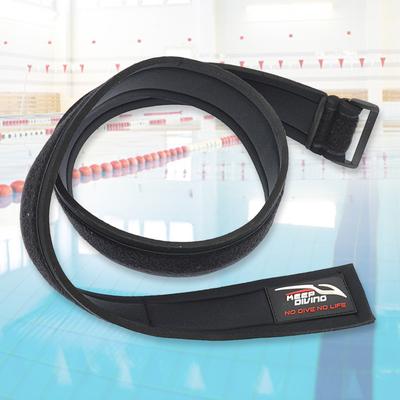
Market Central Swimming Training Belt For Pool Endurance & Strength Training Swimming Training Belt For Pool Endurance & Strength TrainingTransform your swim training into a powerful fullbody workout that builds strength, stamina, and technique with every session. The Swim Resistance Belt is designed to anchor you securely in the pool, allowing you to train continuously without...37,97 $*Shipping: 0,00 $Secure redirect to the provider
-
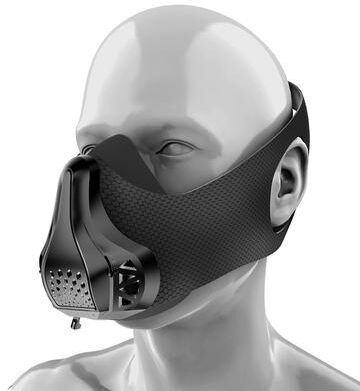
ModernMart Altitude Boost Training Mask For Running, Cardio & Endurance Fitness Altitude Boost Training Mask For Running, Cardio & Endurance FitnessBuilt to push limits, this _training mask_ transforms everyday workouts into highintensity performance sessions. Designed for runners, cyclists, gym athletes, and endurance trainers, it uses adjustable airflow resistance to help strengthen breathing...44,97 $*Shipping: 0,00 $Secure redirect to the provider
-
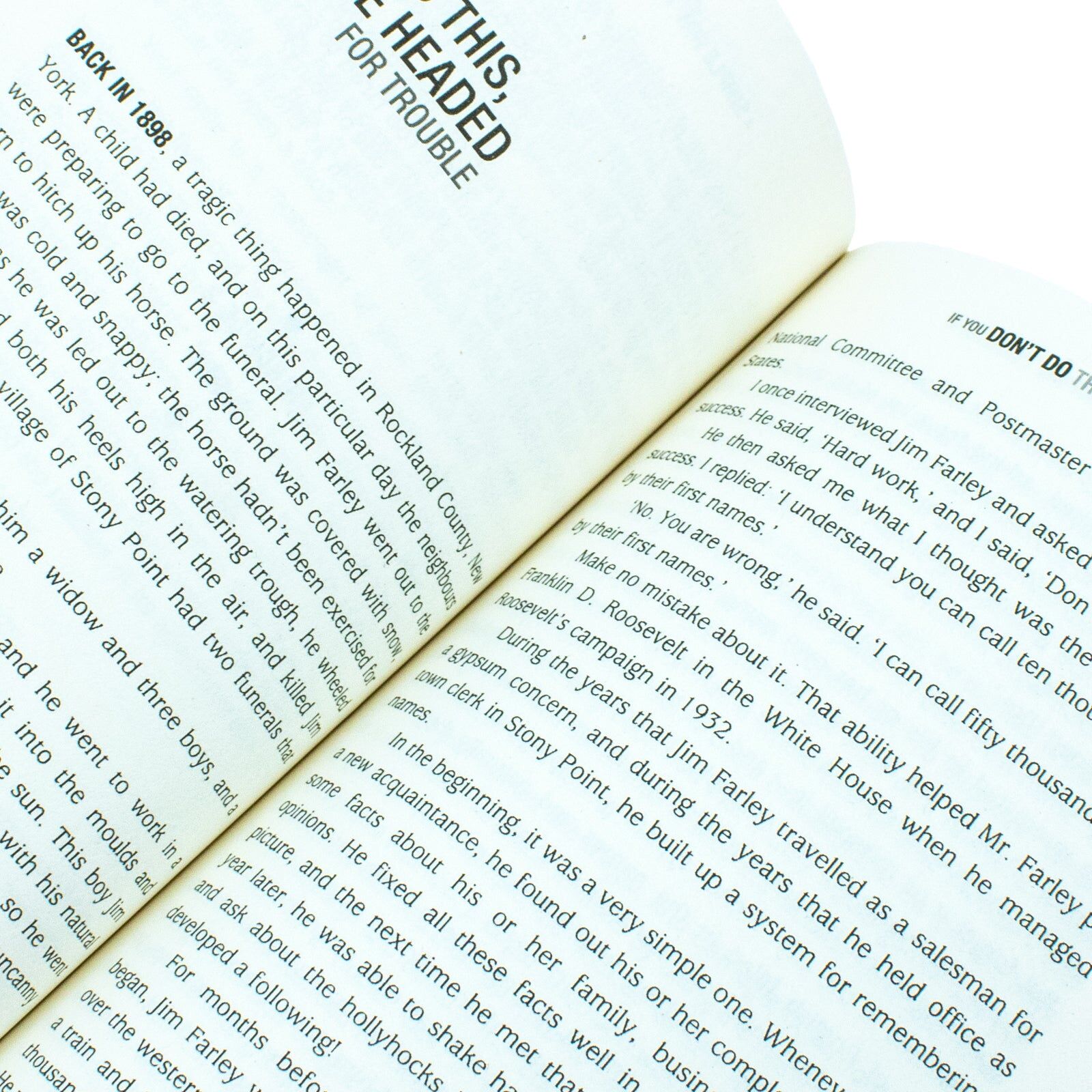
Wilco International LLP How to Win Friends and Influence People by Dale Carnegie Classic Self Help Book on Communication, Leadership, Confidence & Personal DevelopmentDiscover one of the world's best-known personal development books with How to Win Friends and Influence People by Dale Carnegie. First published in 1936, this enduring classic presents practical principles for communicating effectively, building positive relationships and working successfully with other people. Through memorable examples and straightforward advice, Carnegie explores how to make a positive impression, handle disagreements constructively, encourage cooperation and become a more effective communicator. The principles can be applied across everyday life, from personal relationships and social situations to business, management, sales, networking and leadership. Accessible and practical, How to Win Friends and Influence People remains popular with readers interested in improving their communication skills, confidence, interpersonal relationships and professional development. Key Features Classic personal development book by Dale Carnegie Practical principles for improving communication Explores relationships, leadership and interpersonal skills Useful for business, management, sales and networking Helps readers understand effective people skills Suitable for personal and professional development Excellent gift for entrepreneurs, managers and self-improvement readers9,99 £*Shipping: 2,99 £Secure redirect to the provider
-
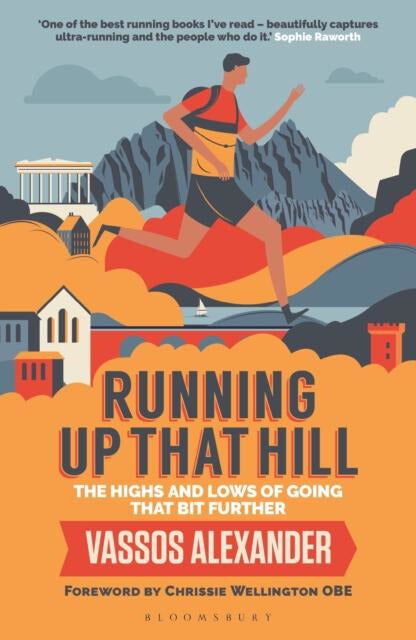
Bloomsbury Publishing Running Up That Hill by Vassos Alexander – Inspiring Running Memoir & Fitness Motivation GuideSHORTLISTED FOR THE TELEGRAPH SPORTS HEALTH & FITNESS BOOK OF THE YEAR AWARD 2019 RUNNING AWARDS 2019 - TOP BOOK Why else would he run an ultra in Paris, backwards, having missed the start? Why head to Wales for the world's hardest mountain race with a badly sprained ankle? And why follow in some unforgiving, ancient footsteps and attempt the oldest and toughest footrace on earth, the 153-mile Spartathlon? There's joy to be found here. Really there is. Vassos recalls his own assaults on these gruelling races, along with ultra-running legends including Scott Jurek, Jasmin Paris, Kilian Jornet, Mimi Anderson and Dean Karnazes. They all testify to the transformative power of endurance running. It's about the astonishing highs that come from pushing your body to the limit. The confidence and peace when you challenge yourself and succeed. All told, this is a cracking tale of what keeps ultra-distance runners running, mile after mile after mile.4,99 £*Shipping: 1,99 £Secure redirect to the provider
-
What is the difference between Homo erectus and Homo ergaster?
Homo erectus and Homo ergaster are both extinct species of early humans, but they have some key differences. Homo ergaster is believed to be an ancestor of Homo erectus and is considered to be slightly older, dating back around 1.9 million years ago. Homo ergaster is thought to have a more slender build and longer legs compared to Homo erectus. Additionally, Homo ergaster is believed to have originated in Africa, while Homo erectus is known to have migrated to other parts of the world. **
-
What is the difference between Homo oeconomicus and Homo sapiens?
Homo oeconomicus is a theoretical concept in economics that describes humans as rational, self-interested decision-makers who always act in a way that maximizes their own utility. This model assumes that individuals have perfect information, make decisions based on cost-benefit analysis, and have consistent preferences over time. On the other hand, Homo sapiens refers to actual human beings, who are influenced by emotions, social norms, and cognitive biases in their decision-making. Unlike Homo oeconomicus, Homo sapiens are not always rational and may not always act in their own self-interest. This difference highlights the limitations of the Homo oeconomicus model in capturing the complexity of human behavior. **
-
What is the difference between Homo erectus and Homo habilis?
Homo erectus and Homo habilis are both early human species, but there are several key differences between them. Homo habilis, which lived around 2.4 to 1.4 million years ago, was smaller in stature and had a smaller brain size compared to Homo erectus. Homo habilis is also believed to have been more adept at using tools, which is reflected in its name, meaning "handy man." On the other hand, Homo erectus, which lived around 1.9 million to 143,000 years ago, had a larger brain size and was the first human species to migrate out of Africa. Additionally, Homo erectus is believed to have had a more advanced ability to control fire and may have been the first human species to use language. **
-
What is the difference between Homo oecologicus and Homo oeconomicus?
Homo oecologicus and Homo oeconomicus are two different conceptual models used to understand human behavior. Homo oecologicus is a theoretical model that views humans as being inherently connected to and dependent on their natural environment. This model emphasizes the importance of sustainability and the need to consider the ecological impact of human actions. On the other hand, Homo oeconomicus is a model that views humans as rational, self-interested actors who make decisions based on maximizing their own utility or economic gain. This model is often used in economics and assumes that individuals make decisions based on cost-benefit analysis and the pursuit of their own self-interest. In summary, the main difference between the two models is their focus - Homo oecologicus emphasizes the ecological impact of human behavior, while Homo oeconomicus focuses on the economic rationality of human decision-making. **

What are examples of the Homo oeconomicus and the Homo sociologicus?
The Homo oeconomicus is a theoretical concept in economics that describes a rational, self-interested individual who makes decisions based on maximizing their own utility or economic well-being. An example of Homo oeconomicus might be a person who always seeks to maximize their financial gains, makes decisions based on cost-benefit analysis, and acts in their own self-interest without considering the impact on others. On the other hand, the Homo sociologicus is a theoretical concept in sociology that describes an individual who is influenced by social norms, values, and the expectations of their community. An example of Homo sociologicus might be a person who makes decisions based on the expectations and norms of their social group, prioritizes the well-being of the community over individual gain, and is influenced by social pressures and cultural values in their decision-making. **
What is the difference between Homo sapiens and Homo sapiens sapiens?
Homo sapiens refers to modern humans, while Homo sapiens sapiens specifically refers to anatomically modern humans. The term Homo sapiens sapiens is used to distinguish modern humans from earlier subspecies of Homo sapiens. The addition of "sapiens" in Homo sapiens sapiens emphasizes the advanced cognitive abilities and anatomical features that characterize modern humans. **
Top-Angebote
Products related to Homo:
-
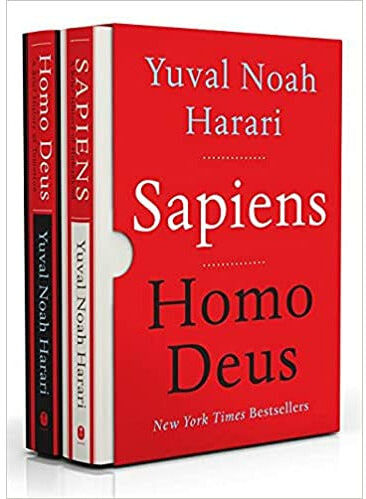
books4people BOX MISSING - Sapiens/Homo Deus Box SetDiscover humanity's past and its future in this in this special box set featuring the bestselling Sapiens--a reading pick of President Barack Obama, Bill Gates, and Mark Zuckerberg--and its acclaimed companion Homo Deus.32,99 £*Shipping: 2,99 £Secure redirect to the provider
-
Penguin Becky Albertalli 4 Books Collection Set (Simon vs. the Homo Sapiens Agenda, Love Simon, Leah on the Offbeat, The Upside of Unrequited)Simon vs. the Homo Sapiens Agenda Straight people should have to come out too. And the more awkward it is, the better. Simon Spier is sixteen and trying to work out who he is - and what he's looking for. But when one of his emails to the very distracting Blue falls into the wrong hands, things get all kinds of complicated. Because, for Simon, falling for Blue is a big deal ... It's a holy freaking huge awesome deal. Love Simon Straight people should have to come out too. And the more awkward it is, the better. Simon Spier is sixteen and trying to work out who he is - and what he's looking for. But when one of his emails to the very distracting Blue falls into the wrong hands, things get all kinds of complicated. Because, for Simon, falling for Blue is a big deal ... It's a holy freaking huge awesome deal. Leah on the Offbeat When it comes to drumming, Leah Burke is usually on beat- but real life isn't always so rhythmic. The only child of a single mum, and her life is less privileged than her friends. Her mum knows she's bisexual, but Leah hasn't mustered the courage to tell her friends. Not even her openly gay BFF, Simon. Prom and college are on the horizon, and tensions are running high. Can Leah still strike the right note, when the people she loves are fighting? And how can she cope knowing that she might love one of her friends more than she ever intended? The Upside of Unrequited I don't entirely understand how anyone gets a boyfriend. Or a girlfriend. It just seems like the most impossible odds. A perfect alignment of feelings and circumstances . . . Molly Peskin-Suso knows all about unrequited love. No matter how many times her twin sister, Cassie, tells her to woman up, Molly is always careful. Better to be careful than be hurt. But when Cassie gets a new girlfriend who comes with a cute hipster-boy sidekick, everything changes. Will is funny, flirtatious and basically the perfect first boyfriend. There's only one problem: Molly's coworker, Reid: the awkward Tolkien superfan she could never fall for . . . right?24,99 £*Shipping: 2,99 £Secure redirect to the provider
-
Market Central Swimming Training Belt For Pool Endurance & Strength Training Swimming Training Belt For Pool Endurance & Strength TrainingTransform your swim training into a powerful fullbody workout that builds strength, stamina, and technique with every session. The Swim Resistance Belt is designed to anchor you securely in the pool, allowing you to train continuously without...37,97 $*Shipping: 0,00 $Secure redirect to the provider
-
ModernMart Altitude Boost Training Mask For Running, Cardio & Endurance Fitness Altitude Boost Training Mask For Running, Cardio & Endurance FitnessBuilt to push limits, this _training mask_ transforms everyday workouts into highintensity performance sessions. Designed for runners, cyclists, gym athletes, and endurance trainers, it uses adjustable airflow resistance to help strengthen breathing...44,97 $*Shipping: 0,00 $Secure redirect to the provider
-
Are we more Homo sapiens or Homo deus?
As of now, we are more Homo sapiens, as we are still primarily driven by our biological and evolutionary instincts. However, with the rapid advancements in technology and the potential for genetic engineering, some argue that we are on the path to becoming more like Homo deus, or "god-man," as described by Yuval Noah Harari in his book of the same name. This concept suggests that humans may eventually transcend our current limitations and become more god-like in our abilities and capabilities. Ultimately, the answer to this question may depend on the trajectory of future technological and biological developments. **
-
Is Homo neanderthalensis a subspecies of Homo sapiens?
No, Homo neanderthalensis is not a subspecies of Homo sapiens. Neanderthals and modern humans are separate species that evolved from a common ancestor. Neanderthals lived in Europe and Asia, while Homo sapiens originated in Africa. Although there is evidence of interbreeding between the two species, they are distinct and separate branches of the human evolutionary tree. **
-
What is the difference between Homo erectus and Homo ergaster?
Homo erectus and Homo ergaster are both extinct species of early humans, but they have some key differences. Homo ergaster is believed to be an ancestor of Homo erectus and is considered to be slightly older, dating back around 1.9 million years ago. Homo ergaster is thought to have a more slender build and longer legs compared to Homo erectus. Additionally, Homo ergaster is believed to have originated in Africa, while Homo erectus is known to have migrated to other parts of the world. **
-
What is the difference between Homo oeconomicus and Homo sapiens?
Homo oeconomicus is a theoretical concept in economics that describes humans as rational, self-interested decision-makers who always act in a way that maximizes their own utility. This model assumes that individuals have perfect information, make decisions based on cost-benefit analysis, and have consistent preferences over time. On the other hand, Homo sapiens refers to actual human beings, who are influenced by emotions, social norms, and cognitive biases in their decision-making. Unlike Homo oeconomicus, Homo sapiens are not always rational and may not always act in their own self-interest. This difference highlights the limitations of the Homo oeconomicus model in capturing the complexity of human behavior. **
Similar search terms for Homo
-
Wilco International LLP How to Win Friends and Influence People by Dale Carnegie Classic Self Help Book on Communication, Leadership, Confidence & Personal DevelopmentDiscover one of the world's best-known personal development books with How to Win Friends and Influence People by Dale Carnegie. First published in 1936, this enduring classic presents practical principles for communicating effectively, building positive relationships and working successfully with other people. Through memorable examples and straightforward advice, Carnegie explores how to make a positive impression, handle disagreements constructively, encourage cooperation and become a more effective communicator. The principles can be applied across everyday life, from personal relationships and social situations to business, management, sales, networking and leadership. Accessible and practical, How to Win Friends and Influence People remains popular with readers interested in improving their communication skills, confidence, interpersonal relationships and professional development. Key Features Classic personal development book by Dale Carnegie Practical principles for improving communication Explores relationships, leadership and interpersonal skills Useful for business, management, sales and networking Helps readers understand effective people skills Suitable for personal and professional development Excellent gift for entrepreneurs, managers and self-improvement readers9,99 £*Shipping: 2,99 £Secure redirect to the provider
-
Bloomsbury Publishing Running Up That Hill by Vassos Alexander – Inspiring Running Memoir & Fitness Motivation GuideSHORTLISTED FOR THE TELEGRAPH SPORTS HEALTH & FITNESS BOOK OF THE YEAR AWARD 2019 RUNNING AWARDS 2019 - TOP BOOK Why else would he run an ultra in Paris, backwards, having missed the start? Why head to Wales for the world's hardest mountain race with a badly sprained ankle? And why follow in some unforgiving, ancient footsteps and attempt the oldest and toughest footrace on earth, the 153-mile Spartathlon? There's joy to be found here. Really there is. Vassos recalls his own assaults on these gruelling races, along with ultra-running legends including Scott Jurek, Jasmin Paris, Kilian Jornet, Mimi Anderson and Dean Karnazes. They all testify to the transformative power of endurance running. It's about the astonishing highs that come from pushing your body to the limit. The confidence and peace when you challenge yourself and succeed. All told, this is a cracking tale of what keeps ultra-distance runners running, mile after mile after mile.4,99 £*Shipping: 1,99 £Secure redirect to the provider
-
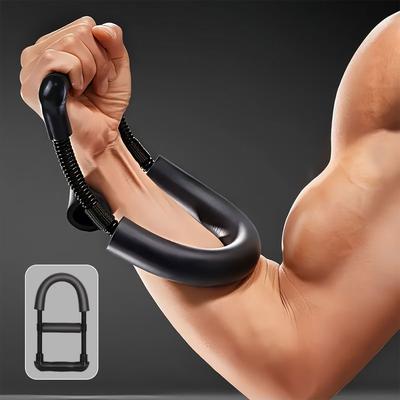
Healfit Counter Hand And Wrist Training Tool, Adjustable Forearm Strength Trainer To Improve Grip Endurance Hand And Wrist Training Tool, Adjustable Forearm Strength Trainer To Improve Grip EnduranceBoost Your Grip Strength with the Adjustable Forearm Strength Trainer Looking to improve your grip strength and endurance The adjustable forearm strength trainer is designed to target and enhance hand and wrist strength with ease. Ideal for...44,97 $*Shipping: 0,00 $Secure redirect to the provider
-
Inspired Living Portable Lung Capacity Breathing Trainer For Endurance & Respiratory Strength whiteFeel the difference every breath makes. This compact breathing trainer is designed to help you strengthen your lungs, improve endurance, and build better breathing habitswhether you're an athlete, singer, or simply focused on your health....45,97 $*Shipping: 0,00 $Secure redirect to the provider
-
What is the difference between Homo erectus and Homo habilis?
Homo erectus and Homo habilis are both early human species, but there are several key differences between them. Homo habilis, which lived around 2.4 to 1.4 million years ago, was smaller in stature and had a smaller brain size compared to Homo erectus. Homo habilis is also believed to have been more adept at using tools, which is reflected in its name, meaning "handy man." On the other hand, Homo erectus, which lived around 1.9 million to 143,000 years ago, had a larger brain size and was the first human species to migrate out of Africa. Additionally, Homo erectus is believed to have had a more advanced ability to control fire and may have been the first human species to use language. **
-
What is the difference between Homo oecologicus and Homo oeconomicus?
Homo oecologicus and Homo oeconomicus are two different conceptual models used to understand human behavior. Homo oecologicus is a theoretical model that views humans as being inherently connected to and dependent on their natural environment. This model emphasizes the importance of sustainability and the need to consider the ecological impact of human actions. On the other hand, Homo oeconomicus is a model that views humans as rational, self-interested actors who make decisions based on maximizing their own utility or economic gain. This model is often used in economics and assumes that individuals make decisions based on cost-benefit analysis and the pursuit of their own self-interest. In summary, the main difference between the two models is their focus - Homo oecologicus emphasizes the ecological impact of human behavior, while Homo oeconomicus focuses on the economic rationality of human decision-making. **
-
What are examples of the Homo oeconomicus and the Homo sociologicus?
The Homo oeconomicus is a theoretical concept in economics that describes a rational, self-interested individual who makes decisions based on maximizing their own utility or economic well-being. An example of Homo oeconomicus might be a person who always seeks to maximize their financial gains, makes decisions based on cost-benefit analysis, and acts in their own self-interest without considering the impact on others. On the other hand, the Homo sociologicus is a theoretical concept in sociology that describes an individual who is influenced by social norms, values, and the expectations of their community. An example of Homo sociologicus might be a person who makes decisions based on the expectations and norms of their social group, prioritizes the well-being of the community over individual gain, and is influenced by social pressures and cultural values in their decision-making. **
-
What is the difference between Homo sapiens and Homo sapiens sapiens?
Homo sapiens refers to modern humans, while Homo sapiens sapiens specifically refers to anatomically modern humans. The term Homo sapiens sapiens is used to distinguish modern humans from earlier subspecies of Homo sapiens. The addition of "sapiens" in Homo sapiens sapiens emphasizes the advanced cognitive abilities and anatomical features that characterize modern humans. **
* All prices are inclusive of VAT and, if applicable, plus shipping costs. The offer information is based on the details provided by the respective shop and is updated through automated processes. Real-time updates do not occur, so deviations can occur in individual cases. ** Note: Parts of this content were created by AI.