Buy powerladies.eu ?
We are moving the project
powerladies.eu .
Are you interested in purchasing the domain
powerladies.eu ?
domain@kv-gmbh.de · 0541-91531010
Buy powerladies.eu ?
Maybe subjunctive or indicative?
The choice between subjunctive or indicative depends on the context of the sentence. The subjunctive mood is used to express doubt, uncertainty, desire, or hypothetical situations, while the indicative mood is used for statements of fact or certainty. To determine whether to use subjunctive or indicative, consider the verb's relationship to reality and whether it is expressing a fact or a possibility. **
Perhaps, subjunctive or indicative?
The choice between subjunctive or indicative depends on the context of the sentence. The subjunctive mood is used to express hypothetical or uncertain situations, wishes, recommendations, or doubts. On the other hand, the indicative mood is used for statements of fact or certainty. Therefore, if the sentence is expressing a possibility, doubt, or desire, the subjunctive mood would be more appropriate. **

Similar search terms for Indicative
Top-Angebote
Products related to Indicative:
-
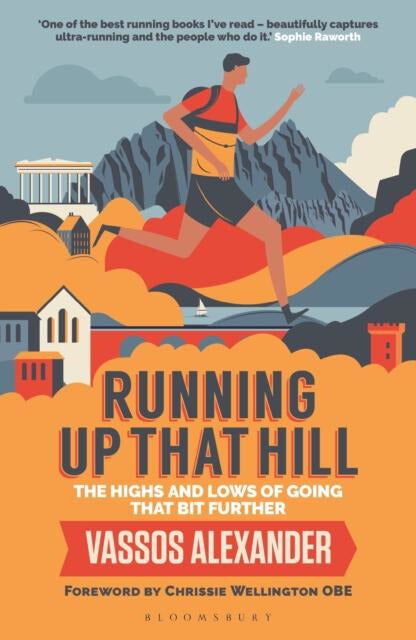
Bloomsbury Publishing Running Up That Hill by Vassos Alexander – Inspiring Running Memoir & Fitness Motivation GuideSHORTLISTED FOR THE TELEGRAPH SPORTS HEALTH & FITNESS BOOK OF THE YEAR AWARD 2019 RUNNING AWARDS 2019 - TOP BOOK Why else would he run an ultra in Paris, backwards, having missed the start? Why head to Wales for the world's hardest mountain race with a badly sprained ankle? And why follow in some unforgiving, ancient footsteps and attempt the oldest and toughest footrace on earth, the 153-mile Spartathlon? There's joy to be found here. Really there is. Vassos recalls his own assaults on these gruelling races, along with ultra-running legends including Scott Jurek, Jasmin Paris, Kilian Jornet, Mimi Anderson and Dean Karnazes. They all testify to the transformative power of endurance running. It's about the astonishing highs that come from pushing your body to the limit. The confidence and peace when you challenge yourself and succeed. All told, this is a cracking tale of what keeps ultra-distance runners running, mile after mile after mile.4,99 £*Shipping: 1,99 £Secure redirect to the provider
-
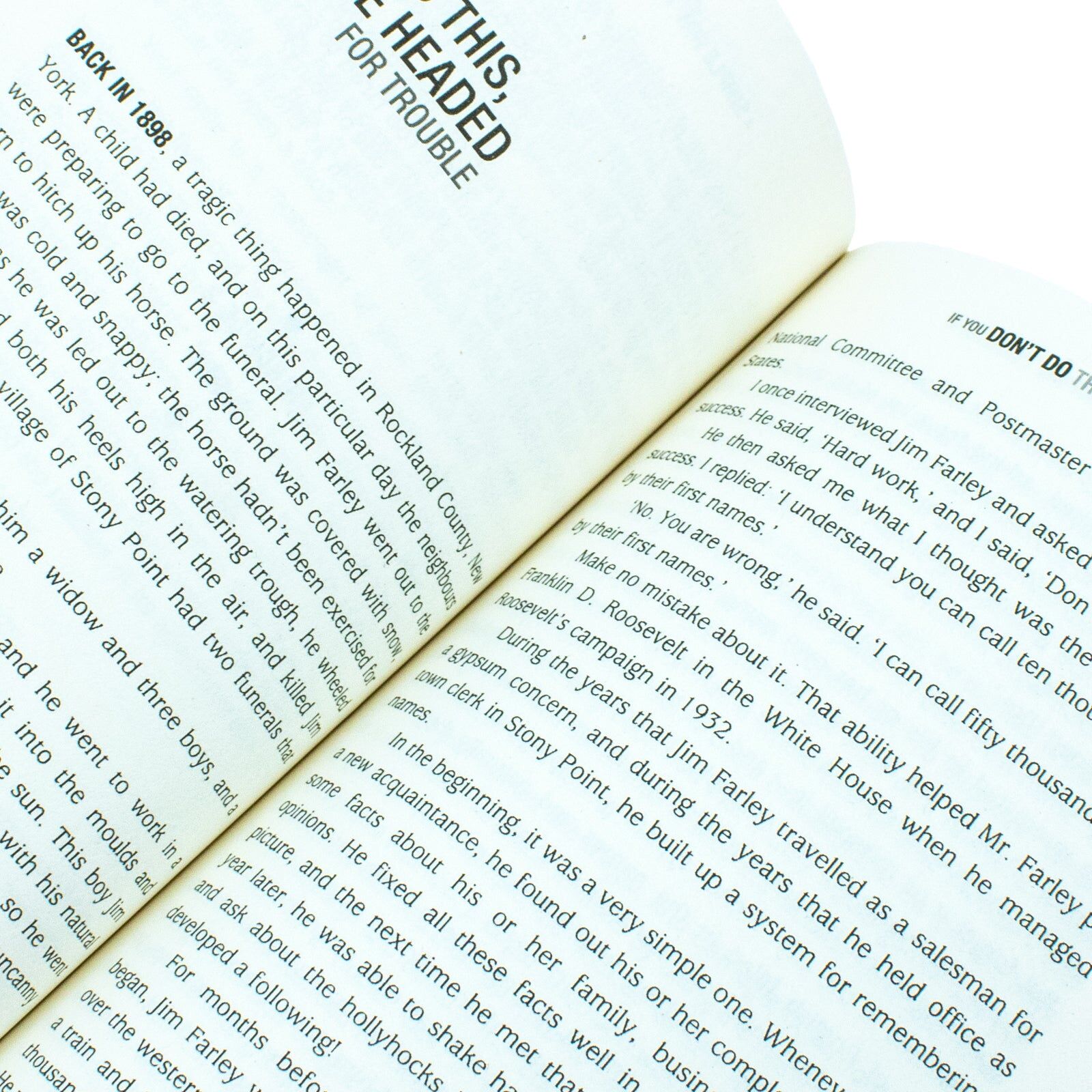
Wilco International LLP How to Win Friends and Influence People by Dale Carnegie Classic Self Help Book on Communication, Leadership, Confidence & Personal DevelopmentDiscover one of the world's best-known personal development books with How to Win Friends and Influence People by Dale Carnegie. First published in 1936, this enduring classic presents practical principles for communicating effectively, building positive relationships and working successfully with other people. Through memorable examples and straightforward advice, Carnegie explores how to make a positive impression, handle disagreements constructively, encourage cooperation and become a more effective communicator. The principles can be applied across everyday life, from personal relationships and social situations to business, management, sales, networking and leadership. Accessible and practical, How to Win Friends and Influence People remains popular with readers interested in improving their communication skills, confidence, interpersonal relationships and professional development. Key Features Classic personal development book by Dale Carnegie Practical principles for improving communication Explores relationships, leadership and interpersonal skills Useful for business, management, sales and networking Helps readers understand effective people skills Suitable for personal and professional development Excellent gift for entrepreneurs, managers and self-improvement readers9,99 £*Shipping: 2,99 £Secure redirect to the provider
-
Healfit Counter Hand And Wrist Training Tool, Adjustable Forearm Strength Trainer To Improve Grip Endurance Hand And Wrist Training Tool, Adjustable Forearm Strength Trainer To Improve Grip EnduranceBoost Your Grip Strength with the Adjustable Forearm Strength Trainer Looking to improve your grip strength and endurance The adjustable forearm strength trainer is designed to target and enhance hand and wrist strength with ease. Ideal for...44,97 $*Shipping: 0,00 $Secure redirect to the provider
-
Inspired Living Portable Lung Capacity Breathing Trainer For Endurance & Respiratory Strength whiteFeel the difference every breath makes. This compact breathing trainer is designed to help you strengthen your lungs, improve endurance, and build better breathing habitswhether you're an athlete, singer, or simply focused on your health....45,97 $*Shipping: 0,00 $Secure redirect to the provider


-
Conditional, subjunctive or indicative?
The choice between conditional, subjunctive, or indicative mood depends on the context of the sentence. The conditional mood is used to express a hypothetical situation or a condition that is dependent on something else happening. The subjunctive mood is used to express wishes, recommendations, or possibilities. The indicative mood is used to state facts or ask questions. **
-
What is the French indicative?
The French indicative is a verb mood used to express statements, facts, or questions in a straightforward manner. It is the most commonly used verb mood in French and is used to talk about actions that are considered real or certain. The indicative is used in both the present and past tenses, as well as in the future and conditional tenses. It is important to understand the indicative mood in order to effectively communicate in French. **
-
What are indicative and imperative?
Indicative and imperative are two different types of verb moods in grammar. The indicative mood is used to make statements or ask questions, expressing facts or opinions. On the other hand, the imperative mood is used to give commands or make requests. In essence, indicative is used for stating what is happening or what has happened, while imperative is used for giving instructions or orders. **
-
What does indicative present mean?
Indicative present is a verb tense that is used to describe actions that are happening in the present moment or are generally true. It is used to express facts, habits, or routines. In English, the indicative present is formed by using the base form of the verb, with or without the addition of an -s ending for third person singular subjects. **
What does indicative preterite mean?
Indicative preterite is a verb tense used to describe actions that were completed in the past. It is used to express specific actions that happened at a definite point in time. In Spanish, the indicative preterite is one of the past tense forms and is used to talk about completed actions in the past. It is important to note that the indicative preterite is just one of the past tenses in Spanish, and its usage depends on the context and the specific time frame being referred to. **
Indicative or subjunctive in French?
The choice between indicative and subjunctive in French depends on the context and the verb used. The indicative mood is used for statements of fact or certainty, while the subjunctive mood is used for expressing doubt, uncertainty, or subjective feelings. Verbs of emotion, doubt, desire, and necessity often trigger the use of the subjunctive mood. It is important to pay attention to the specific verb and the context in order to determine whether to use the indicative or subjunctive in French. **
Top-Angebote
Products related to Indicative:
-
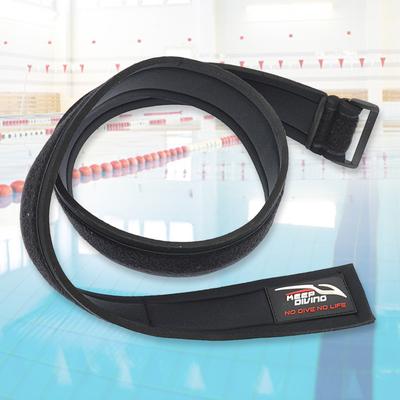
Market Central Swimming Training Belt For Pool Endurance & Strength Training Swimming Training Belt For Pool Endurance & Strength TrainingTransform your swim training into a powerful fullbody workout that builds strength, stamina, and technique with every session. The Swim Resistance Belt is designed to anchor you securely in the pool, allowing you to train continuously without...37,97 $*Shipping: 0,00 $Secure redirect to the provider
-
ModernMart Altitude Boost Training Mask For Running, Cardio & Endurance Fitness Altitude Boost Training Mask For Running, Cardio & Endurance FitnessBuilt to push limits, this _training mask_ transforms everyday workouts into highintensity performance sessions. Designed for runners, cyclists, gym athletes, and endurance trainers, it uses adjustable airflow resistance to help strengthen breathing...44,97 $*Shipping: 0,00 $Secure redirect to the provider
-
Bloomsbury Publishing Running Up That Hill by Vassos Alexander – Inspiring Running Memoir & Fitness Motivation GuideSHORTLISTED FOR THE TELEGRAPH SPORTS HEALTH & FITNESS BOOK OF THE YEAR AWARD 2019 RUNNING AWARDS 2019 - TOP BOOK Why else would he run an ultra in Paris, backwards, having missed the start? Why head to Wales for the world's hardest mountain race with a badly sprained ankle? And why follow in some unforgiving, ancient footsteps and attempt the oldest and toughest footrace on earth, the 153-mile Spartathlon? There's joy to be found here. Really there is. Vassos recalls his own assaults on these gruelling races, along with ultra-running legends including Scott Jurek, Jasmin Paris, Kilian Jornet, Mimi Anderson and Dean Karnazes. They all testify to the transformative power of endurance running. It's about the astonishing highs that come from pushing your body to the limit. The confidence and peace when you challenge yourself and succeed. All told, this is a cracking tale of what keeps ultra-distance runners running, mile after mile after mile.4,99 £*Shipping: 1,99 £Secure redirect to the provider
-
Wilco International LLP How to Win Friends and Influence People by Dale Carnegie Classic Self Help Book on Communication, Leadership, Confidence & Personal DevelopmentDiscover one of the world's best-known personal development books with How to Win Friends and Influence People by Dale Carnegie. First published in 1936, this enduring classic presents practical principles for communicating effectively, building positive relationships and working successfully with other people. Through memorable examples and straightforward advice, Carnegie explores how to make a positive impression, handle disagreements constructively, encourage cooperation and become a more effective communicator. The principles can be applied across everyday life, from personal relationships and social situations to business, management, sales, networking and leadership. Accessible and practical, How to Win Friends and Influence People remains popular with readers interested in improving their communication skills, confidence, interpersonal relationships and professional development. Key Features Classic personal development book by Dale Carnegie Practical principles for improving communication Explores relationships, leadership and interpersonal skills Useful for business, management, sales and networking Helps readers understand effective people skills Suitable for personal and professional development Excellent gift for entrepreneurs, managers and self-improvement readers9,99 £*Shipping: 2,99 £Secure redirect to the provider
-
Maybe subjunctive or indicative?
The choice between subjunctive or indicative depends on the context of the sentence. The subjunctive mood is used to express doubt, uncertainty, desire, or hypothetical situations, while the indicative mood is used for statements of fact or certainty. To determine whether to use subjunctive or indicative, consider the verb's relationship to reality and whether it is expressing a fact or a possibility. **
-
Perhaps, subjunctive or indicative?
The choice between subjunctive or indicative depends on the context of the sentence. The subjunctive mood is used to express hypothetical or uncertain situations, wishes, recommendations, or doubts. On the other hand, the indicative mood is used for statements of fact or certainty. Therefore, if the sentence is expressing a possibility, doubt, or desire, the subjunctive mood would be more appropriate. **
-
Conditional, subjunctive or indicative?
The choice between conditional, subjunctive, or indicative mood depends on the context of the sentence. The conditional mood is used to express a hypothetical situation or a condition that is dependent on something else happening. The subjunctive mood is used to express wishes, recommendations, or possibilities. The indicative mood is used to state facts or ask questions. **
-
What is the French indicative?
The French indicative is a verb mood used to express statements, facts, or questions in a straightforward manner. It is the most commonly used verb mood in French and is used to talk about actions that are considered real or certain. The indicative is used in both the present and past tenses, as well as in the future and conditional tenses. It is important to understand the indicative mood in order to effectively communicate in French. **
Similar search terms for Indicative
-
Healfit Counter Hand And Wrist Training Tool, Adjustable Forearm Strength Trainer To Improve Grip Endurance Hand And Wrist Training Tool, Adjustable Forearm Strength Trainer To Improve Grip EnduranceBoost Your Grip Strength with the Adjustable Forearm Strength Trainer Looking to improve your grip strength and endurance The adjustable forearm strength trainer is designed to target and enhance hand and wrist strength with ease. Ideal for...44,97 $*Shipping: 0,00 $Secure redirect to the provider
-
Inspired Living Portable Lung Capacity Breathing Trainer For Endurance & Respiratory Strength whiteFeel the difference every breath makes. This compact breathing trainer is designed to help you strengthen your lungs, improve endurance, and build better breathing habitswhether you're an athlete, singer, or simply focused on your health....45,97 $*Shipping: 0,00 $Secure redirect to the provider
-
Uplifted Goods Adjustable Hand Grip Finger Trainer For Strength And Endurance blackBuild power, control, and endurance with this adjustable hand grip finger trainer designed for everyone from beginners to fitness enthusiasts. Whether youre preparing for rock climbing, improving your grip for weightlifting, or strengthening your...34,97 $*Shipping: 0,00 $Secure redirect to the provider
-
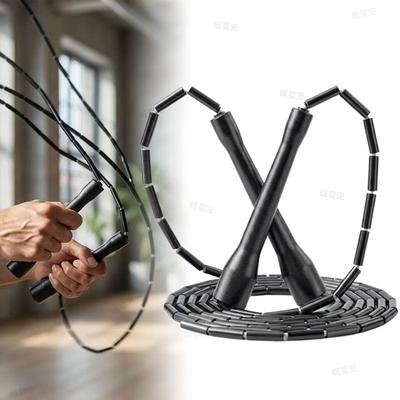
Smart Shopping Spot Pro Beaded Fitness Jump Rope For Speed Training, Cardio Workouts & Endurance Pro Beaded Fitness Jump Rope For Speed Training, Cardio Workouts & EnduranceTake every workout to the next level with this beaded jump rope designed to build speed, coordination, and endurance. Whether you're a beginner, athlete, or fitness enthusiast, this fitness jump rope delivers smooth, consistent performance for...31,97 $*Shipping: 0,00 $Secure redirect to the provider
-
What are indicative and imperative?
Indicative and imperative are two different types of verb moods in grammar. The indicative mood is used to make statements or ask questions, expressing facts or opinions. On the other hand, the imperative mood is used to give commands or make requests. In essence, indicative is used for stating what is happening or what has happened, while imperative is used for giving instructions or orders. **
-
What does indicative present mean?
Indicative present is a verb tense that is used to describe actions that are happening in the present moment or are generally true. It is used to express facts, habits, or routines. In English, the indicative present is formed by using the base form of the verb, with or without the addition of an -s ending for third person singular subjects. **
-
What does indicative preterite mean?
Indicative preterite is a verb tense used to describe actions that were completed in the past. It is used to express specific actions that happened at a definite point in time. In Spanish, the indicative preterite is one of the past tense forms and is used to talk about completed actions in the past. It is important to note that the indicative preterite is just one of the past tenses in Spanish, and its usage depends on the context and the specific time frame being referred to. **
-
Indicative or subjunctive in French?
The choice between indicative and subjunctive in French depends on the context and the verb used. The indicative mood is used for statements of fact or certainty, while the subjunctive mood is used for expressing doubt, uncertainty, or subjective feelings. Verbs of emotion, doubt, desire, and necessity often trigger the use of the subjunctive mood. It is important to pay attention to the specific verb and the context in order to determine whether to use the indicative or subjunctive in French. **
* All prices are inclusive of VAT and, if applicable, plus shipping costs. The offer information is based on the details provided by the respective shop and is updated through automated processes. Real-time updates do not occur, so deviations can occur in individual cases. ** Note: Parts of this content were created by AI.