Buy powerladies.eu ?
We are moving the project
powerladies.eu .
Are you interested in purchasing the domain
powerladies.eu ?
domain@kv-gmbh.de · 0541-91531010
Buy powerladies.eu ?
German-Soviet War fighters
The German-Soviet War fighters were soldiers who fought in the conflict between Nazi Germany and the Soviet Union during World War II. These fighters were part of the massive military operations that took place on the Eastern Front, which was one of the most brutal and deadly theaters of the war. Both sides deployed millions of soldiers, and the fighting resulted in immense casualties and destruction. The German-Soviet War fighters were involved in some of the largest and most significant battles of the war, such as the Battle of Stalingrad and the Siege of Leningrad. **
What happened to the Soviet Gulags after the Stalin and Soviet era?
After Stalin's death in 1953, the Soviet Gulags continued to exist but were gradually scaled back. Under Nikita Khrushchev's leadership, there was a period of de-Stalinization which led to the release of many political prisoners and the closure of some Gulags. However, the Gulag system was not completely abolished until the collapse of the Soviet Union in 1991. Today, the former Gulag sites serve as memorials to the victims of the repressive system. **
Similar search terms for Soviet
Top-Angebote
Products related to Soviet:
-
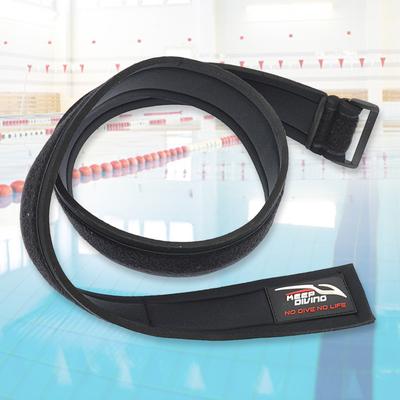
Market Central Swimming Training Belt For Pool Endurance & Strength Training Swimming Training Belt For Pool Endurance & Strength TrainingTransform your swim training into a powerful fullbody workout that builds strength, stamina, and technique with every session. The Swim Resistance Belt is designed to anchor you securely in the pool, allowing you to train continuously without...37,97 $*Shipping: 0,00 $Secure redirect to the provider
-
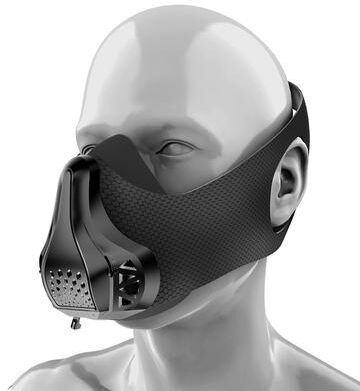
ModernMart Altitude Boost Training Mask For Running, Cardio & Endurance Fitness Altitude Boost Training Mask For Running, Cardio & Endurance FitnessBuilt to push limits, this _training mask_ transforms everyday workouts into highintensity performance sessions. Designed for runners, cyclists, gym athletes, and endurance trainers, it uses adjustable airflow resistance to help strengthen breathing...44,97 $*Shipping: 0,00 $Secure redirect to the provider
-
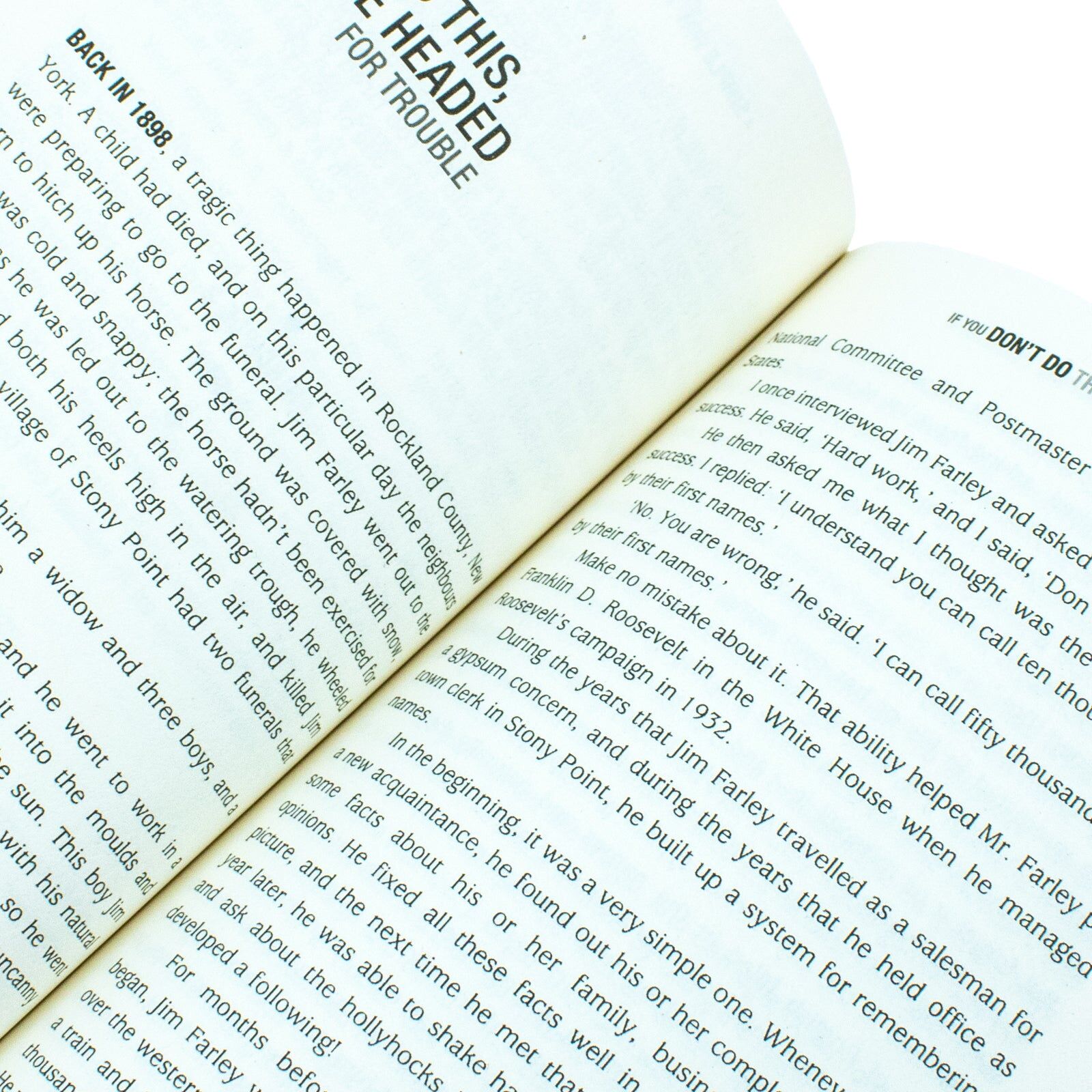
Wilco International LLP How to Win Friends and Influence People by Dale Carnegie Classic Self Help Book on Communication, Leadership, Confidence & Personal DevelopmentDiscover one of the world's best-known personal development books with How to Win Friends and Influence People by Dale Carnegie. First published in 1936, this enduring classic presents practical principles for communicating effectively, building positive relationships and working successfully with other people. Through memorable examples and straightforward advice, Carnegie explores how to make a positive impression, handle disagreements constructively, encourage cooperation and become a more effective communicator. The principles can be applied across everyday life, from personal relationships and social situations to business, management, sales, networking and leadership. Accessible and practical, How to Win Friends and Influence People remains popular with readers interested in improving their communication skills, confidence, interpersonal relationships and professional development. Key Features Classic personal development book by Dale Carnegie Practical principles for improving communication Explores relationships, leadership and interpersonal skills Useful for business, management, sales and networking Helps readers understand effective people skills Suitable for personal and professional development Excellent gift for entrepreneurs, managers and self-improvement readers9,99 £*Shipping: 2,99 £Secure redirect to the provider
-
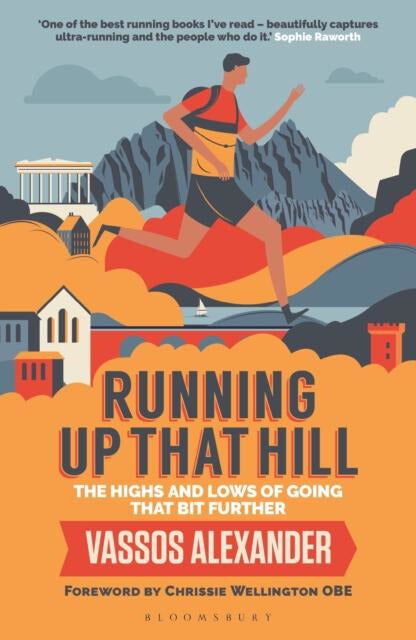
Bloomsbury Publishing Running Up That Hill by Vassos Alexander – Inspiring Running Memoir & Fitness Motivation GuideSHORTLISTED FOR THE TELEGRAPH SPORTS HEALTH & FITNESS BOOK OF THE YEAR AWARD 2019 RUNNING AWARDS 2019 - TOP BOOK Why else would he run an ultra in Paris, backwards, having missed the start? Why head to Wales for the world's hardest mountain race with a badly sprained ankle? And why follow in some unforgiving, ancient footsteps and attempt the oldest and toughest footrace on earth, the 153-mile Spartathlon? There's joy to be found here. Really there is. Vassos recalls his own assaults on these gruelling races, along with ultra-running legends including Scott Jurek, Jasmin Paris, Kilian Jornet, Mimi Anderson and Dean Karnazes. They all testify to the transformative power of endurance running. It's about the astonishing highs that come from pushing your body to the limit. The confidence and peace when you challenge yourself and succeed. All told, this is a cracking tale of what keeps ultra-distance runners running, mile after mile after mile.4,99 £*Shipping: 1,99 £Secure redirect to the provider
-
Who was the Soviet Union?
The Soviet Union was a socialist state that existed from 1922 to 1991, encompassing a vast territory in Eastern Europe and Northern Asia. It was founded after the Russian Revolution of 1917 and was ruled by the Communist Party. The Soviet Union was known for its centralized government, planned economy, and strict control over its citizens' lives. It played a major role in World War II and was a superpower rival to the United States during the Cold War. **
-
What is a soviet republic?
A soviet republic is a form of government that was established in the former Soviet Union and other communist countries. It is a system in which power is held by workers' councils, known as soviets, which are elected by the people. These soviets are responsible for making decisions on behalf of the population and are meant to represent the interests of the working class. The soviet republics were intended to be a more democratic and egalitarian form of government, but in practice, they often became dominated by the ruling communist party. **
-
Soviet intervention in Afghanistan fighters
Soviet intervention in Afghanistan refers to the military involvement of the Soviet Union in the Afghan Civil War from 1979 to 1989. The Soviet Union sent troops to support the Afghan government against the mujahideen, who were a group of rebel fighters. The intervention was met with strong resistance from the mujahideen, who were supported by various countries, including the United States, through the provision of weapons and training. The conflict resulted in a protracted and costly war for the Soviet Union, ultimately leading to their withdrawal in 1989. **
-
How did the Soviet Union collapse?
The collapse of the Soviet Union can be attributed to a combination of internal and external factors. Internally, economic stagnation, political repression, and ethnic tensions weakened the Soviet system. Externally, the arms race with the United States and the costly war in Afghanistan strained the Soviet economy. Additionally, the policies of Soviet leader Mikhail Gorbachev, such as glasnost (openness) and perestroika (restructuring), inadvertently led to the loosening of control over Eastern European countries and ultimately the dissolution of the Soviet Union in 1991. **
Why did the Soviet Union collapse?
The collapse of the Soviet Union can be attributed to a combination of internal and external factors. Internally, the Soviet economy was struggling due to inefficiency, corruption, and a lack of innovation. The political system was also losing legitimacy, as people grew disillusioned with the oppressive regime. Externally, the arms race with the United States and the costly war in Afghanistan drained Soviet resources. Additionally, the policies of Mikhail Gorbachev, such as glasnost and perestroika, inadvertently accelerated the collapse by opening up the system to greater scrutiny and dissent. **
Is wearing Soviet Union badges prohibited?
Wearing Soviet Union badges is not prohibited in most countries, as it is considered a form of freedom of expression. However, in some countries that were formerly part of the Soviet Union or have laws against the display of communist symbols, wearing Soviet Union badges may be prohibited. It is important to be aware of local laws and regulations regarding the display of political symbols when wearing Soviet Union badges in public. **
Top-Angebote
Products related to Soviet:
-
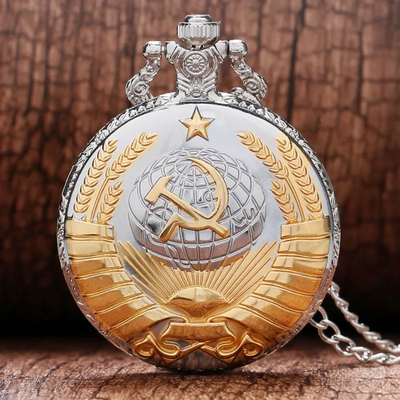
ModernMart Vintage Soviet Hammer Sickle Pocket Watch Bronze Pendant Gift silverExperience a bold piece of history with this striking vintage pocket watch that blends timeless craftsmanship with iconic symbolism. Designed for collectors, history enthusiasts, and styleconscious individuals, this Soviet hammer sickle watch makes...34,97 $*Shipping: 0,00 $Secure redirect to the provider
-
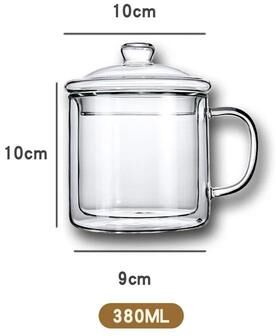
Uplift Essentials Retro Soviet Double Walled Glass Coffee Mug With Handle 380mlEmbrace a classic aesthetic with a modern twist with this double walled glass coffee mug. Inspired by retro Soviet design, these mugs offer a unique vintage look combined with the superior insulation of highquality glassware. The specialized...61,97 $*Shipping: 0,00 $Secure redirect to the provider
-
Market Central Swimming Training Belt For Pool Endurance & Strength Training Swimming Training Belt For Pool Endurance & Strength TrainingTransform your swim training into a powerful fullbody workout that builds strength, stamina, and technique with every session. The Swim Resistance Belt is designed to anchor you securely in the pool, allowing you to train continuously without...37,97 $*Shipping: 0,00 $Secure redirect to the provider
-
ModernMart Altitude Boost Training Mask For Running, Cardio & Endurance Fitness Altitude Boost Training Mask For Running, Cardio & Endurance FitnessBuilt to push limits, this _training mask_ transforms everyday workouts into highintensity performance sessions. Designed for runners, cyclists, gym athletes, and endurance trainers, it uses adjustable airflow resistance to help strengthen breathing...44,97 $*Shipping: 0,00 $Secure redirect to the provider
-
German-Soviet War fighters
The German-Soviet War fighters were soldiers who fought in the conflict between Nazi Germany and the Soviet Union during World War II. These fighters were part of the massive military operations that took place on the Eastern Front, which was one of the most brutal and deadly theaters of the war. Both sides deployed millions of soldiers, and the fighting resulted in immense casualties and destruction. The German-Soviet War fighters were involved in some of the largest and most significant battles of the war, such as the Battle of Stalingrad and the Siege of Leningrad. **
-
What happened to the Soviet Gulags after the Stalin and Soviet era?
After Stalin's death in 1953, the Soviet Gulags continued to exist but were gradually scaled back. Under Nikita Khrushchev's leadership, there was a period of de-Stalinization which led to the release of many political prisoners and the closure of some Gulags. However, the Gulag system was not completely abolished until the collapse of the Soviet Union in 1991. Today, the former Gulag sites serve as memorials to the victims of the repressive system. **
-
Who was the Soviet Union?
The Soviet Union was a socialist state that existed from 1922 to 1991, encompassing a vast territory in Eastern Europe and Northern Asia. It was founded after the Russian Revolution of 1917 and was ruled by the Communist Party. The Soviet Union was known for its centralized government, planned economy, and strict control over its citizens' lives. It played a major role in World War II and was a superpower rival to the United States during the Cold War. **
-
What is a soviet republic?
A soviet republic is a form of government that was established in the former Soviet Union and other communist countries. It is a system in which power is held by workers' councils, known as soviets, which are elected by the people. These soviets are responsible for making decisions on behalf of the population and are meant to represent the interests of the working class. The soviet republics were intended to be a more democratic and egalitarian form of government, but in practice, they often became dominated by the ruling communist party. **
Similar search terms for Soviet
-
Wilco International LLP How to Win Friends and Influence People by Dale Carnegie Classic Self Help Book on Communication, Leadership, Confidence & Personal DevelopmentDiscover one of the world's best-known personal development books with How to Win Friends and Influence People by Dale Carnegie. First published in 1936, this enduring classic presents practical principles for communicating effectively, building positive relationships and working successfully with other people. Through memorable examples and straightforward advice, Carnegie explores how to make a positive impression, handle disagreements constructively, encourage cooperation and become a more effective communicator. The principles can be applied across everyday life, from personal relationships and social situations to business, management, sales, networking and leadership. Accessible and practical, How to Win Friends and Influence People remains popular with readers interested in improving their communication skills, confidence, interpersonal relationships and professional development. Key Features Classic personal development book by Dale Carnegie Practical principles for improving communication Explores relationships, leadership and interpersonal skills Useful for business, management, sales and networking Helps readers understand effective people skills Suitable for personal and professional development Excellent gift for entrepreneurs, managers and self-improvement readers9,99 £*Shipping: 2,99 £Secure redirect to the provider
-
Bloomsbury Publishing Running Up That Hill by Vassos Alexander – Inspiring Running Memoir & Fitness Motivation GuideSHORTLISTED FOR THE TELEGRAPH SPORTS HEALTH & FITNESS BOOK OF THE YEAR AWARD 2019 RUNNING AWARDS 2019 - TOP BOOK Why else would he run an ultra in Paris, backwards, having missed the start? Why head to Wales for the world's hardest mountain race with a badly sprained ankle? And why follow in some unforgiving, ancient footsteps and attempt the oldest and toughest footrace on earth, the 153-mile Spartathlon? There's joy to be found here. Really there is. Vassos recalls his own assaults on these gruelling races, along with ultra-running legends including Scott Jurek, Jasmin Paris, Kilian Jornet, Mimi Anderson and Dean Karnazes. They all testify to the transformative power of endurance running. It's about the astonishing highs that come from pushing your body to the limit. The confidence and peace when you challenge yourself and succeed. All told, this is a cracking tale of what keeps ultra-distance runners running, mile after mile after mile.4,99 £*Shipping: 1,99 £Secure redirect to the provider
-
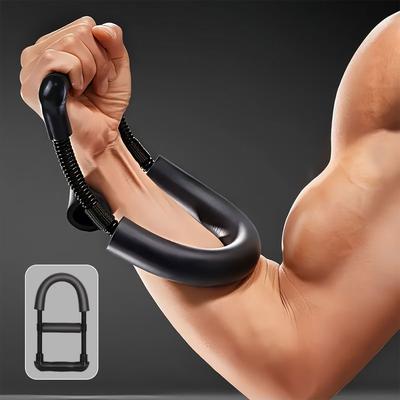
Healfit Counter Hand And Wrist Training Tool, Adjustable Forearm Strength Trainer To Improve Grip Endurance Hand And Wrist Training Tool, Adjustable Forearm Strength Trainer To Improve Grip EnduranceBoost Your Grip Strength with the Adjustable Forearm Strength Trainer Looking to improve your grip strength and endurance The adjustable forearm strength trainer is designed to target and enhance hand and wrist strength with ease. Ideal for...44,97 $*Shipping: 0,00 $Secure redirect to the provider
-
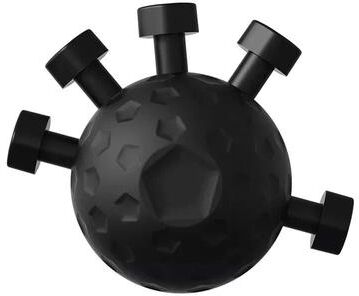
Uplifted Goods Adjustable Hand Grip Finger Trainer For Strength And Endurance blackBuild power, control, and endurance with this adjustable hand grip finger trainer designed for everyone from beginners to fitness enthusiasts. Whether youre preparing for rock climbing, improving your grip for weightlifting, or strengthening your...34,97 $*Shipping: 0,00 $Secure redirect to the provider
-
Soviet intervention in Afghanistan fighters
Soviet intervention in Afghanistan refers to the military involvement of the Soviet Union in the Afghan Civil War from 1979 to 1989. The Soviet Union sent troops to support the Afghan government against the mujahideen, who were a group of rebel fighters. The intervention was met with strong resistance from the mujahideen, who were supported by various countries, including the United States, through the provision of weapons and training. The conflict resulted in a protracted and costly war for the Soviet Union, ultimately leading to their withdrawal in 1989. **
-
How did the Soviet Union collapse?
The collapse of the Soviet Union can be attributed to a combination of internal and external factors. Internally, economic stagnation, political repression, and ethnic tensions weakened the Soviet system. Externally, the arms race with the United States and the costly war in Afghanistan strained the Soviet economy. Additionally, the policies of Soviet leader Mikhail Gorbachev, such as glasnost (openness) and perestroika (restructuring), inadvertently led to the loosening of control over Eastern European countries and ultimately the dissolution of the Soviet Union in 1991. **
-
Why did the Soviet Union collapse?
The collapse of the Soviet Union can be attributed to a combination of internal and external factors. Internally, the Soviet economy was struggling due to inefficiency, corruption, and a lack of innovation. The political system was also losing legitimacy, as people grew disillusioned with the oppressive regime. Externally, the arms race with the United States and the costly war in Afghanistan drained Soviet resources. Additionally, the policies of Mikhail Gorbachev, such as glasnost and perestroika, inadvertently accelerated the collapse by opening up the system to greater scrutiny and dissent. **
-
Is wearing Soviet Union badges prohibited?
Wearing Soviet Union badges is not prohibited in most countries, as it is considered a form of freedom of expression. However, in some countries that were formerly part of the Soviet Union or have laws against the display of communist symbols, wearing Soviet Union badges may be prohibited. It is important to be aware of local laws and regulations regarding the display of political symbols when wearing Soviet Union badges in public. **
* All prices are inclusive of VAT and, if applicable, plus shipping costs. The offer information is based on the details provided by the respective shop and is updated through automated processes. Real-time updates do not occur, so deviations can occur in individual cases. ** Note: Parts of this content were created by AI.