Buy powerladies.eu ?
We are moving the project
powerladies.eu .
Are you interested in purchasing the domain
powerladies.eu ?
domain@kv-gmbh.de · 0541-91531010
Buy powerladies.eu ?
What is the difference between Economies of Scale and Economies of Scope?
Economies of scale refer to the cost advantages that a business can achieve as it increases its level of production. This can result from factors such as spreading fixed costs over a larger output, bulk purchasing discounts, and more efficient use of resources. On the other hand, economies of scope refer to the cost advantages that arise from producing a variety of products or services together, rather than just one. This can result from shared resources, such as marketing and distribution channels, as well as the ability to leverage a company's core competencies across multiple products or services. **
What are the Tiger economies?
The Tiger economies refer to the highly developed and industrialized economies of East Asia, including South Korea, Taiwan, Singapore, and Hong Kong. These countries experienced rapid economic growth and industrialization in the latter half of the 20th century, transforming from agrarian-based economies to industrial powerhouses. The term "Tiger economies" is derived from the "Four Asian Tigers," which originally referred to South Korea, Taiwan, Singapore, and Hong Kong, but has since been expanded to include other rapidly developing economies in the region. These countries are known for their export-oriented growth strategies, strong manufacturing sectors, and high levels of technological innovation. **


Similar search terms for Economies
Top-Angebote
Products related to Economies:
-
ModernMart Altitude Boost Training Mask For Running, Cardio & Endurance Fitness Altitude Boost Training Mask For Running, Cardio & Endurance FitnessBuilt to push limits, this _training mask_ transforms everyday workouts into highintensity performance sessions. Designed for runners, cyclists, gym athletes, and endurance trainers, it uses adjustable airflow resistance to help strengthen breathing...44,97 $*Shipping: 0,00 $Secure redirect to the provider
-
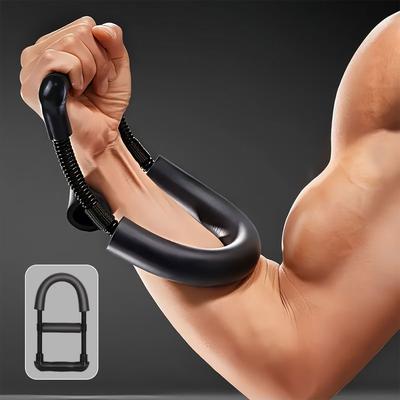
Healfit Counter Hand And Wrist Training Tool, Adjustable Forearm Strength Trainer To Improve Grip Endurance Hand And Wrist Training Tool, Adjustable Forearm Strength Trainer To Improve Grip EnduranceBoost Your Grip Strength with the Adjustable Forearm Strength Trainer Looking to improve your grip strength and endurance The adjustable forearm strength trainer is designed to target and enhance hand and wrist strength with ease. Ideal for...44,97 $*Shipping: 0,00 $Secure redirect to the provider
-
Inspired Living Portable Lung Capacity Breathing Trainer For Endurance & Respiratory Strength blackFeel the difference every breath makes. This compact breathing trainer is designed to help you strengthen your lungs, improve endurance, and build better breathing habitswhether you're an athlete, singer, or simply focused on your health....45,97 $*Shipping: 0,00 $Secure redirect to the provider
-
Uplifted Goods Adjustable Hand Grip Finger Trainer For Strength And Endurance blackBuild power, control, and endurance with this adjustable hand grip finger trainer designed for everyone from beginners to fitness enthusiasts. Whether youre preparing for rock climbing, improving your grip for weightlifting, or strengthening your...34,97 $*Shipping: 0,00 $Secure redirect to the provider


-
Are the Tiger economies emerging markets?
Yes, the Tiger economies are considered emerging markets. The term "Tiger economies" refers to the rapidly growing economies of South Korea, Taiwan, Singapore, and Hong Kong. These countries have experienced rapid industrialization, export-led growth, and technological advancement, leading to significant economic development. While they have made great strides in their economic growth, they are still considered emerging markets due to their ongoing development and potential for further growth and expansion. **
-
What are the similarities between planned and market economies?
Both planned and market economies aim to allocate resources efficiently to meet the needs of the society. Both systems involve the production and distribution of goods and services to fulfill demand. Additionally, both systems involve some level of government intervention, with planned economies having more centralized control and market economies having more decentralized decision-making. Both systems also aim to achieve economic growth and improve the standard of living for their citizens. **
-
What is the difference between emerging economies and developing countries?
Emerging economies refer to countries that are experiencing rapid industrialization and growth, often transitioning from a low-income to a middle-income status. Developing countries, on the other hand, are nations that are still in the early stages of economic development, with lower levels of income, infrastructure, and industrialization. While all emerging economies are developing countries, not all developing countries are considered emerging economies. Emerging economies typically have higher growth rates and more advanced industries compared to developing countries. **
-
Can the economies of Sweden and China be easily compared?
The economies of Sweden and China cannot be easily compared due to their significant differences in size, structure, and development. Sweden has a small, open, and highly developed economy with a focus on innovation, technology, and high-value exports. On the other hand, China has a large, diverse, and rapidly growing economy with a focus on manufacturing, infrastructure development, and export-led growth. Additionally, Sweden has a strong welfare state and high levels of income equality, while China has a more diverse income distribution and a different approach to social welfare. Overall, the differences in size, structure, and development make it challenging to directly compare the economies of Sweden and China. **


What is the difference between developing countries and emerging economies?
Developing countries and emerging economies are often used interchangeably, but there is a subtle difference between the two. Developing countries typically refer to nations with low levels of industrialization, low per capita income, and high poverty rates. On the other hand, emerging economies are countries that are experiencing rapid economic growth, industrialization, and modernization, and are moving towards becoming developed nations. Emerging economies often have higher levels of foreign direct investment, infrastructure development, and technological advancement compared to developing countries. **
What are the advantages and disadvantages of barter and monetary economies?
Barter economies allow for the direct exchange of goods and services without the need for a common medium of exchange, which can be advantageous in a situation where there is a lack of currency or a stable monetary system. However, barter economies can be inefficient and time-consuming, as finding someone who has what you need and also wants what you have can be challenging. On the other hand, monetary economies provide a widely accepted medium of exchange, making transactions more convenient and efficient. However, they can also lead to issues such as inflation, economic inequality, and the potential for financial crises. **
Top-Angebote
Products related to Economies:
-
HarperCollins (Red Shed) Mission: Total Resilience by Ant Middleton - Paperback Confidence & Resilience Book for Kids Ages 9-12Mission: Total Resilience is a children's guide written by Ant Middleton, designed to help young readers aged 9-12 build self-esteem and bounce back from setbacks. This paperback book is packed with motivating tasks, mood-boosting physical challenges, and inspiring real-life stories that give kids practical tools to strengthen their mindset and turn tough moments into opportunities. The book was written to give younger readers the same grounded approach to overcoming adversity that made Ant Middleton's adult bestsellers popular. It invites children to take part in hands-on missions and challenges, gradually building their mental and physical resilience.2,90 £*Shipping: 2,99 £Secure redirect to the provider
-
Market Central Swimming Training Belt For Pool Endurance & Strength Training Swimming Training Belt For Pool Endurance & Strength TrainingTransform your swim training into a powerful fullbody workout that builds strength, stamina, and technique with every session. The Swim Resistance Belt is designed to anchor you securely in the pool, allowing you to train continuously without...37,97 $*Shipping: 0,00 $Secure redirect to the provider
-
ModernMart Altitude Boost Training Mask For Running, Cardio & Endurance Fitness Altitude Boost Training Mask For Running, Cardio & Endurance FitnessBuilt to push limits, this _training mask_ transforms everyday workouts into highintensity performance sessions. Designed for runners, cyclists, gym athletes, and endurance trainers, it uses adjustable airflow resistance to help strengthen breathing...44,97 $*Shipping: 0,00 $Secure redirect to the provider
-
Healfit Counter Hand And Wrist Training Tool, Adjustable Forearm Strength Trainer To Improve Grip Endurance Hand And Wrist Training Tool, Adjustable Forearm Strength Trainer To Improve Grip EnduranceBoost Your Grip Strength with the Adjustable Forearm Strength Trainer Looking to improve your grip strength and endurance The adjustable forearm strength trainer is designed to target and enhance hand and wrist strength with ease. Ideal for...44,97 $*Shipping: 0,00 $Secure redirect to the provider
-
What is the difference between Economies of Scale and Economies of Scope?
Economies of scale refer to the cost advantages that a business can achieve as it increases its level of production. This can result from factors such as spreading fixed costs over a larger output, bulk purchasing discounts, and more efficient use of resources. On the other hand, economies of scope refer to the cost advantages that arise from producing a variety of products or services together, rather than just one. This can result from shared resources, such as marketing and distribution channels, as well as the ability to leverage a company's core competencies across multiple products or services. **
-
What are the Tiger economies?
The Tiger economies refer to the highly developed and industrialized economies of East Asia, including South Korea, Taiwan, Singapore, and Hong Kong. These countries experienced rapid economic growth and industrialization in the latter half of the 20th century, transforming from agrarian-based economies to industrial powerhouses. The term "Tiger economies" is derived from the "Four Asian Tigers," which originally referred to South Korea, Taiwan, Singapore, and Hong Kong, but has since been expanded to include other rapidly developing economies in the region. These countries are known for their export-oriented growth strategies, strong manufacturing sectors, and high levels of technological innovation. **
-
Are the Tiger economies emerging markets?
Yes, the Tiger economies are considered emerging markets. The term "Tiger economies" refers to the rapidly growing economies of South Korea, Taiwan, Singapore, and Hong Kong. These countries have experienced rapid industrialization, export-led growth, and technological advancement, leading to significant economic development. While they have made great strides in their economic growth, they are still considered emerging markets due to their ongoing development and potential for further growth and expansion. **
-
What are the similarities between planned and market economies?
Both planned and market economies aim to allocate resources efficiently to meet the needs of the society. Both systems involve the production and distribution of goods and services to fulfill demand. Additionally, both systems involve some level of government intervention, with planned economies having more centralized control and market economies having more decentralized decision-making. Both systems also aim to achieve economic growth and improve the standard of living for their citizens. **
Similar search terms for Economies
-
Inspired Living Portable Lung Capacity Breathing Trainer For Endurance & Respiratory Strength blackFeel the difference every breath makes. This compact breathing trainer is designed to help you strengthen your lungs, improve endurance, and build better breathing habitswhether you're an athlete, singer, or simply focused on your health....45,97 $*Shipping: 0,00 $Secure redirect to the provider
-
Uplifted Goods Adjustable Hand Grip Finger Trainer For Strength And Endurance blackBuild power, control, and endurance with this adjustable hand grip finger trainer designed for everyone from beginners to fitness enthusiasts. Whether youre preparing for rock climbing, improving your grip for weightlifting, or strengthening your...34,97 $*Shipping: 0,00 $Secure redirect to the provider
-
Bloomsbury Publishing Running Up That Hill by Vassos Alexander – Inspiring Running Memoir & Fitness Motivation GuideSHORTLISTED FOR THE TELEGRAPH SPORTS HEALTH & FITNESS BOOK OF THE YEAR AWARD 2019 RUNNING AWARDS 2019 - TOP BOOK Why else would he run an ultra in Paris, backwards, having missed the start? Why head to Wales for the world's hardest mountain race with a badly sprained ankle? And why follow in some unforgiving, ancient footsteps and attempt the oldest and toughest footrace on earth, the 153-mile Spartathlon? There's joy to be found here. Really there is. Vassos recalls his own assaults on these gruelling races, along with ultra-running legends including Scott Jurek, Jasmin Paris, Kilian Jornet, Mimi Anderson and Dean Karnazes. They all testify to the transformative power of endurance running. It's about the astonishing highs that come from pushing your body to the limit. The confidence and peace when you challenge yourself and succeed. All told, this is a cracking tale of what keeps ultra-distance runners running, mile after mile after mile.4,99 £*Shipping: 1,99 £Secure redirect to the provider
-
Smart Shopping Spot Pro Beaded Fitness Jump Rope For Speed Training, Cardio Workouts & Endurance Pro Beaded Fitness Jump Rope For Speed Training, Cardio Workouts & EnduranceTake every workout to the next level with this beaded jump rope designed to build speed, coordination, and endurance. Whether you're a beginner, athlete, or fitness enthusiast, this fitness jump rope delivers smooth, consistent performance for...31,97 $*Shipping: 0,00 $Secure redirect to the provider
-
What is the difference between emerging economies and developing countries?
Emerging economies refer to countries that are experiencing rapid industrialization and growth, often transitioning from a low-income to a middle-income status. Developing countries, on the other hand, are nations that are still in the early stages of economic development, with lower levels of income, infrastructure, and industrialization. While all emerging economies are developing countries, not all developing countries are considered emerging economies. Emerging economies typically have higher growth rates and more advanced industries compared to developing countries. **
-
Can the economies of Sweden and China be easily compared?
The economies of Sweden and China cannot be easily compared due to their significant differences in size, structure, and development. Sweden has a small, open, and highly developed economy with a focus on innovation, technology, and high-value exports. On the other hand, China has a large, diverse, and rapidly growing economy with a focus on manufacturing, infrastructure development, and export-led growth. Additionally, Sweden has a strong welfare state and high levels of income equality, while China has a more diverse income distribution and a different approach to social welfare. Overall, the differences in size, structure, and development make it challenging to directly compare the economies of Sweden and China. **
-
What is the difference between developing countries and emerging economies?
Developing countries and emerging economies are often used interchangeably, but there is a subtle difference between the two. Developing countries typically refer to nations with low levels of industrialization, low per capita income, and high poverty rates. On the other hand, emerging economies are countries that are experiencing rapid economic growth, industrialization, and modernization, and are moving towards becoming developed nations. Emerging economies often have higher levels of foreign direct investment, infrastructure development, and technological advancement compared to developing countries. **
-
What are the advantages and disadvantages of barter and monetary economies?
Barter economies allow for the direct exchange of goods and services without the need for a common medium of exchange, which can be advantageous in a situation where there is a lack of currency or a stable monetary system. However, barter economies can be inefficient and time-consuming, as finding someone who has what you need and also wants what you have can be challenging. On the other hand, monetary economies provide a widely accepted medium of exchange, making transactions more convenient and efficient. However, they can also lead to issues such as inflation, economic inequality, and the potential for financial crises. **
* All prices are inclusive of VAT and, if applicable, plus shipping costs. The offer information is based on the details provided by the respective shop and is updated through automated processes. Real-time updates do not occur, so deviations can occur in individual cases. ** Note: Parts of this content were created by AI.